A painstakingly trained dancer’s body is their articulate instrument, their vehicle for expression, and method for financial earning. So, when something goes wrong with it, it can feel like, and may well be, a catastrophe. How have professional dancers coped when an injury forced them off the stage and into recovery?
Liam Redhead is a soloist with the Danish Royal Ballet and faced a huge challenge when he ruptured his Achillies tendon on stage four years ago. “I was the only person on stage, and I landed from a jump and there was a loud noise like landing on a wobbly floorboard.” Redhead recalls, “I felt nothing to begin with and tried to get back up to dance.” He ended up walking off the opposite side of the stage, and sitting in the wings, bewildered.
The following morning, Redhead was in surgery and left struggling to understand how just the day before he had been fit to perform, and was now in a cast and a boot, unable to walk. I ask if there had been any warning signs prior to the injury.
“Yes,” he responds immediately. “I’d twisted my ankle a few months before, but it had been a busy season, I was getting cast in a lot of roles and I didn’t want to miss out, so I ended up performing at night and then not being able to walk for three days. I was over-riding the signals my body was sending to me. Looking back, it was a classic snowball effect leading up to the injury.”
Redhead describes a very low three months, shutting himself off and inflicting a lot of shame on himself, feeling that life couldn’t go on unless he was dancing again. That began to change once the cast and boot were off, and he began to learn to walk again, amidst fear of the tendon rupturing again.
Dancer’s stories
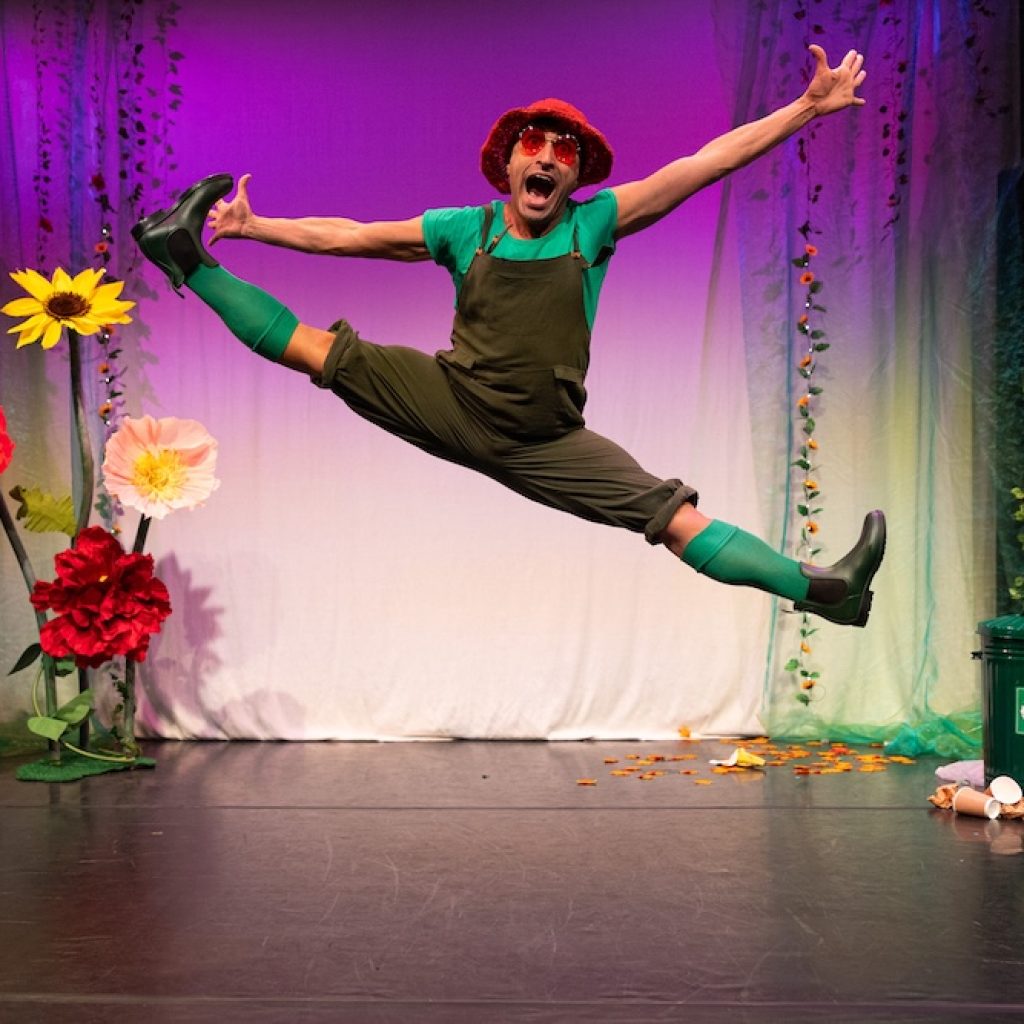
Fran Mangiacasale is still performing at the age of 49. “During a performance of Alice in Wonderland with Let’s All Dance company, I executed a simple jeté when I felt a loud, sudden pop in my calf,” he says. “At first, there was no pain, but as soon as I landed, I realised I couldn’t walk. The pain began to set in, and I adapted on the spot, transforming the choreography into floorwork and physical theatre. The rest of the cast sensed something was wrong and adjusted seamlessly to keep the performance going. I was diagnosed with a Grade three tear of the soleus muscle, but as we had no covers, I couldn’t withdraw from the performances, so I was treated with acupuncture and advised how to manage the injury.”
Mangiacasale was unable to rise on to demi-pointe for several months, and even now, more than two years later, is not fully recovered.
Ellie Young, a dancer with London City Ballet, was in her second year of training at The Royal Ballet Upper School when her injury struck. She’d had shin pain for months – describing the pain as making her feel sick. She had been taken off jumps in class, when a scan showed a hairline fracture in her shin. Young took six weeks over the summer to embark on her recovery journey and returned to her third year which brought more of a sense of purpose for her.
Melanie Cox has been a professional dancer for twenty years. “My body has always been reliable, or I have pushed through when needed,” she began. “In December 2025, halfway through performing Sugar Plum Fairy, I tore my calf muscle. It stopped me immediately. I couldn’t even stand and had to be carried back to the hotel that evening.”
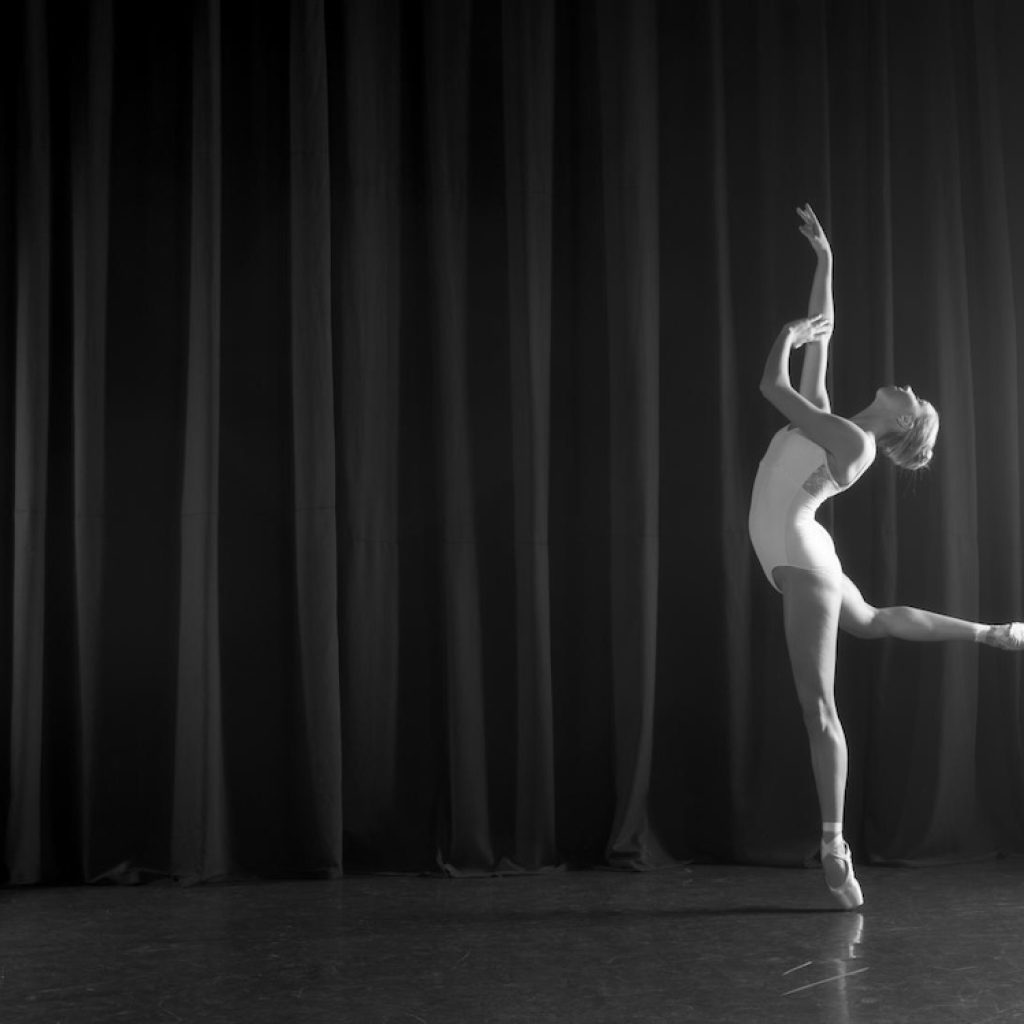
Almost 10 years ago, Syanne Pleass was performing with English National Ballet’s Swan Lake at the Royal Albert Hall. “I’d suffered quite badly with stress fractures in my shin in my final year of training, but upon graduating, I took time out to recover,” Pleass recalls. “My first contract back in full fitness (or so I thought) was with English National Ballet. Unfortunately, following Swan Lake, my injury was back and was much worse. I had four separate stress fractures in the shin, and the consultant’s advice was to rest and wait for the bone to recover – or find a new career! The latter was not an option to me!”
Rest and recovery
Following the delivery of such news, Pleass took the opportunity to rest and do rehab work. She did floor barre with Alice Crawford, doing exercises without any of the impact that standing would have placed on her. “Those sessions kept me going in the tough and low time, when you feel like you are going to be injured forever and never get back on the stage,” she says.
On a break from rehab, Sofia Linares, a soloist with Birmingham Royal Ballet, pauses to discuss her ongoing struggle with her foot injury. Towards the end of the 2025-26 season of Cinderella, Linares felt a bruised sensation on the bottom of her foot following the end of the run. “It got worse and worse and by the end of the week I could barely walk,” she says. With a series of MRIs showing stress and inflammation in between her second and third metatarsals, as well as an inflamed bursa sac, Linares has undergone therapy, including Pilates, strength and conditioning and very detailed foot and toe exercises, as well as cortisone injections. Currently, Linares is back in company class and is hoping to be back to performing in June.
Young entered intense physio as well as taking a summer break from dancing, to recover from her shin fracture, including calf massages, weight bearing exercises, light skipping in intervals, cycling and 121 Pilates sessions. “This kept my whole body well-oiled, like those who were doing class every day,” she says.
Fear factor
“My coping mechanism became going numb to it,” Young reveals. “Mentally, I found it very difficult. I finished the year watching everyone else perform.”
“Sometimes it is hard to stay motivated,” admits Linares. “It is hard for any dancer to go through something like this. We start the profession so young, when you feel that nothing is going to get you. An injury takes you out of your passion – it’s upsetting. It feels like wasting time in a career that isn’t super long anyway.” She adds that as a disciplined dancer, even on days she feels low, she still shows up.
Staying patient
“The biggest adjustment was mental,” Cox reveals. “I’m used to pushing through. This required the opposite – restraint, patience, and listening to what my body could actually handle. You realise how much of your identity is tied to being able to perform.”
“For me, this turned into a whole year away from the stage,” Pleass says. “The first six months were slow. It wasn’t all doom and gloom, though – I took the opportunity to do some travelling! I travelled to stay with friends in Mauritius, where I visited a ballet studio everyday to do my floor barre, gradually building up strength standing again and moving to doing a full barre and some centre work.”
Silver linings
Is there ever a silver lining to sustaining an injury as a dancer?
Young and Redhead may just have found one. “Before the injury, I would overtrain like crazy,” Redhead says. “I was in pain and ignoring it. I never want to go back to the way I was working before. My recovery has created a more respectful relationship with my body.”
During her rehabilitation during 121 ballet lessons, Young discovered how to correct a long-term issue she had had with holding her weight too far back, which showed up successfully in company class as soon as she returned.
“Since my career-altering injury, I’ve continued to work as a freelance dancer (a change from the initial plan to work for one company year-round), and although working freelance isn’t the most stable, it has been the most amazing decision for me,” Pleass explains, describing working on different projects in all kinds of stunning locations, most recently dancing as the Lilac Fairy with Let’s All Dance. “In between contracts, I take time to look after my body, allowing necessary rest (when I can) and ensuring that I can keep my body performance fit, in a safe and controlled way that works for me.”
Ideally, we’d hope for no injuries, but should they occur, let’s hope for dancers to arise from them stronger not just physically, but mentally and emotionally as well.
By Louise Ryrie of Dance Informa.