Nadyne Bispo, a former company dancer of Atlanta Ballet, recently posted online a series of Ballet Etiquette posters, ‘Ballet Etiquette Everyone Should Know,’ including tips such as not wearing jewellery in class, having a proper ballet bun for good focus, keeping shoe ribbons tucked in, thanking your teacher, and if waiting then to practice on the side.
Obviously, it’s algorithm dependant, but my feed being predominantly ballet and dance-oriented offers a constant stream of videos explaining why ballet discipline exists in the way it does, plus a multitude of teachers lamenting current lack of interest in training for exams, the absence of loyalty from students, and ‘school-jumping’ with new schools claiming credit for the work a previous teacher had done with the student.
Are we moving away from traditional ballet etiquette? Changing patterns are inevitable in every area of life, and the dancing world continues to undergo revolutionary changes which naturally filter their way through to pre-professional training levels. Including greater emphasis on fashions in classes, self-expressionism and entitlements to those freedoms. Social media has opened a once-elitist body; removing ballet’s mysticism and creating far greater accessibility to the disciplined art-form than we have ever seen before. Positive news, but are our over-saturated array of choices also producing some negative results?
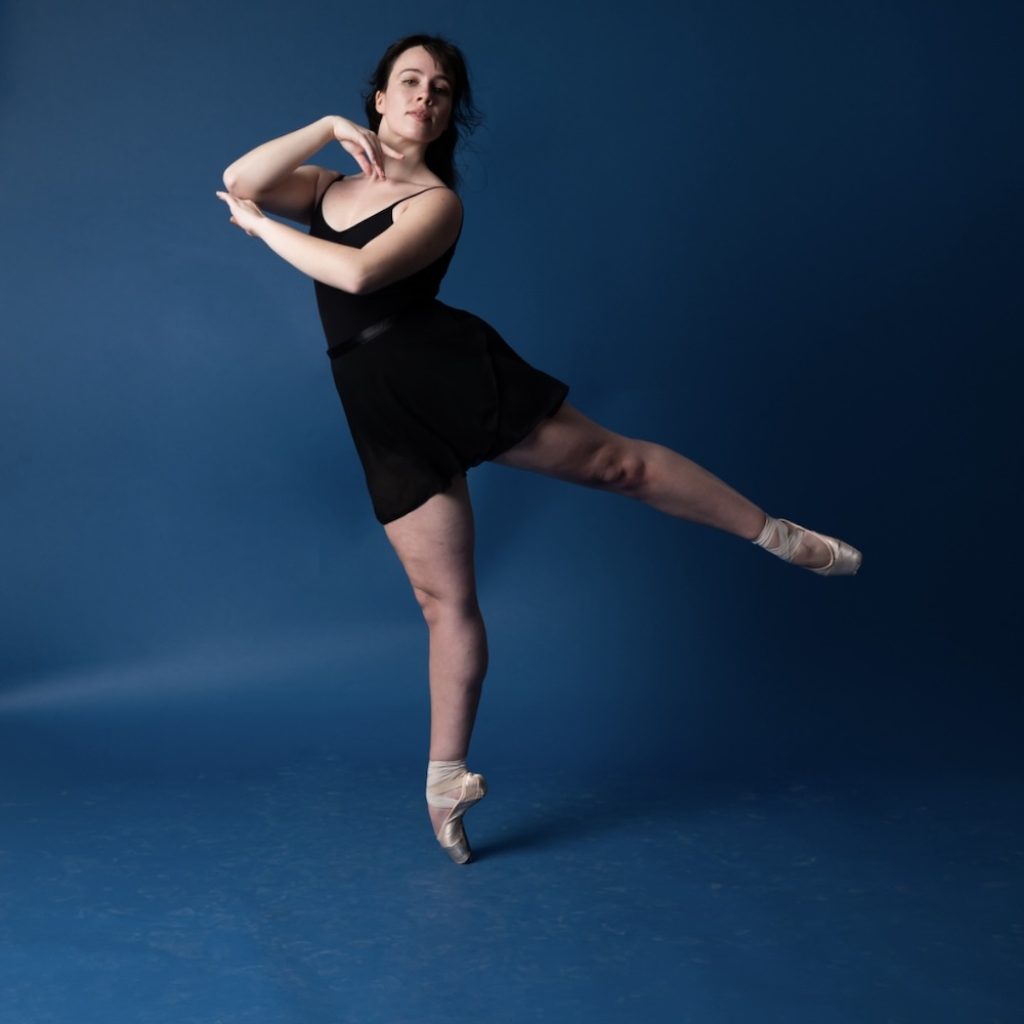
Running a large ballet and Pilates school from my own premises for almost three decades, one of the first times I became aware of shifting ground was when an examiner arrived for our session and commented how nicely the examining table was set. I queried whether that wasn’t always the case? When I first started teaching, a printed handout was given by the ISTD (Imperial Society of Teachers of Dancing) on examination etiquette, down to providing a tablecloth, flowers and hand towel in the bathroom! Where’s that gone? I asked the examiner, and they shrugged sadly.
‘Back in the day’ there was a mutual unspoken respect, for a ballet teacher’s territory and skills. Not without a competitive edge, but you did not tread on toes, pun intended. When setting up my own school, I made sure it was a decent distance from the school that had trained me. Yet, over the years, I’ve dealt with a former best friend having her young daughter trained free of charge within my school, whilst quietly setting up her own. More recently, in a community building, a new teacher booked a time slot to start a ballet class aimed at the exact demographic as the classes that already existed there. Upon politely pointing out the situation, the teacher responded that they knew and were going ahead with their class to feed off an existing business anyway.
Are these just consequences of a changing world that should be adapted to?
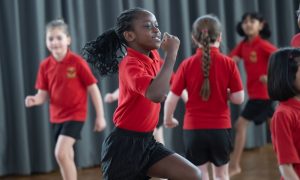
“There has been a noticeable shift in the culture of ballet training – one that many former dancers and teachers immediately recognise upon stepping back into a studio,” says Jolene Kiddle, a dance studio owner in Southeast England. “One of the most visible changes lies in how young dancers divide their time. In earlier generations, dancers who were serious, structured their lives around their training. Now many children take part in a much wider range of activities alongside dance, which has its benefits, but dilutes the intensity and continuity needed for classical ballet training.”
Kiddle also notes a more casual approach to neatness of hair and appearance in classes, and discusses a shift in teaching style, to incorporate much more awareness of emotional wellbeing, particularly in areas of how feedback is delivered and received. Challenges have arisen from this, though; “Where previous generations were accustomed to direct critique, many young dancers today are less familiar with it and even interpret constructive feedback as personal criticism,” she says. “A further concern is the apparent decline in loyalty to a single school or teacher, which can disrupt continuity in training and weaken the depth of the student-teacher relationship.”
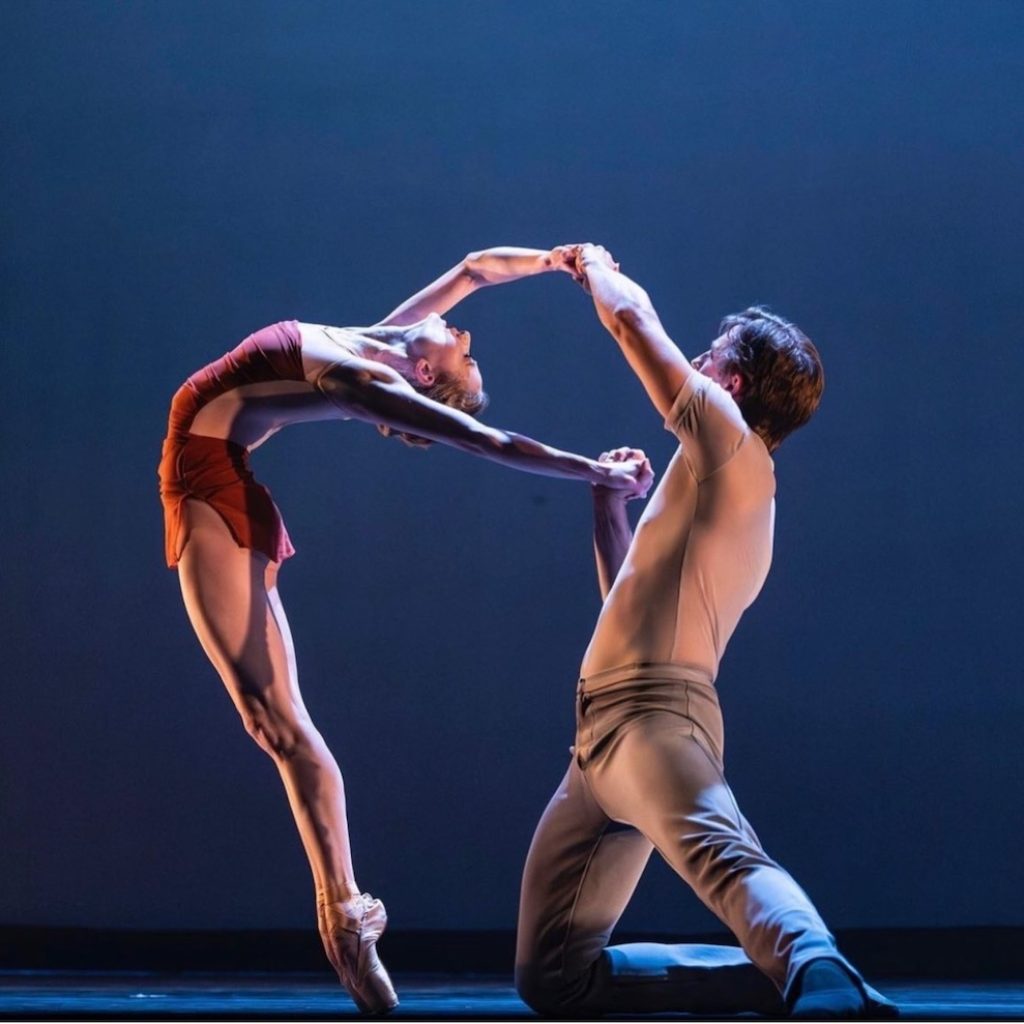
Isobel Pearson, a ballet teacher from the UK and US, raised an interesting and positive view regarding ballet examinations. “The philosophy of ballet education has changed,” she says. “Attitudes are evolving to be more inclusive, more student-centred rather than old-school authoritarianism. Exams are still serious, but the emotional climate around them is less punitive and more supportive. Exams are framed as goals, not threats, inclusivity and wellbeing are increasingly prioritised, and grading is becoming more transparent and less mysterious. The culture is more modern, but the seriousness is still strong.”
Pearson also feels that there is less pressure now on students, and more emphasis on having fun within the art. More people being encouraged to try dance, more body types, more age groups than ever before. “I think because the standards of ballet have changed, regarding who can and who can’t dance, the dance world is a lot more welcoming and flexible,” she says.
Ruth Brill, Artistic Director of London Children’s Ballet, explores the idea that individuality is much more celebrated now; even in vocational training, it is not so hierarchal. “We want to encourage our young dancers to be themselves,” she says, “but to learn how to collaborate with others as a member of a company. We teach them to act as professionals – to treat others with respect, to work with focus and determination, and to learn and improve their stagecraft and technique.”
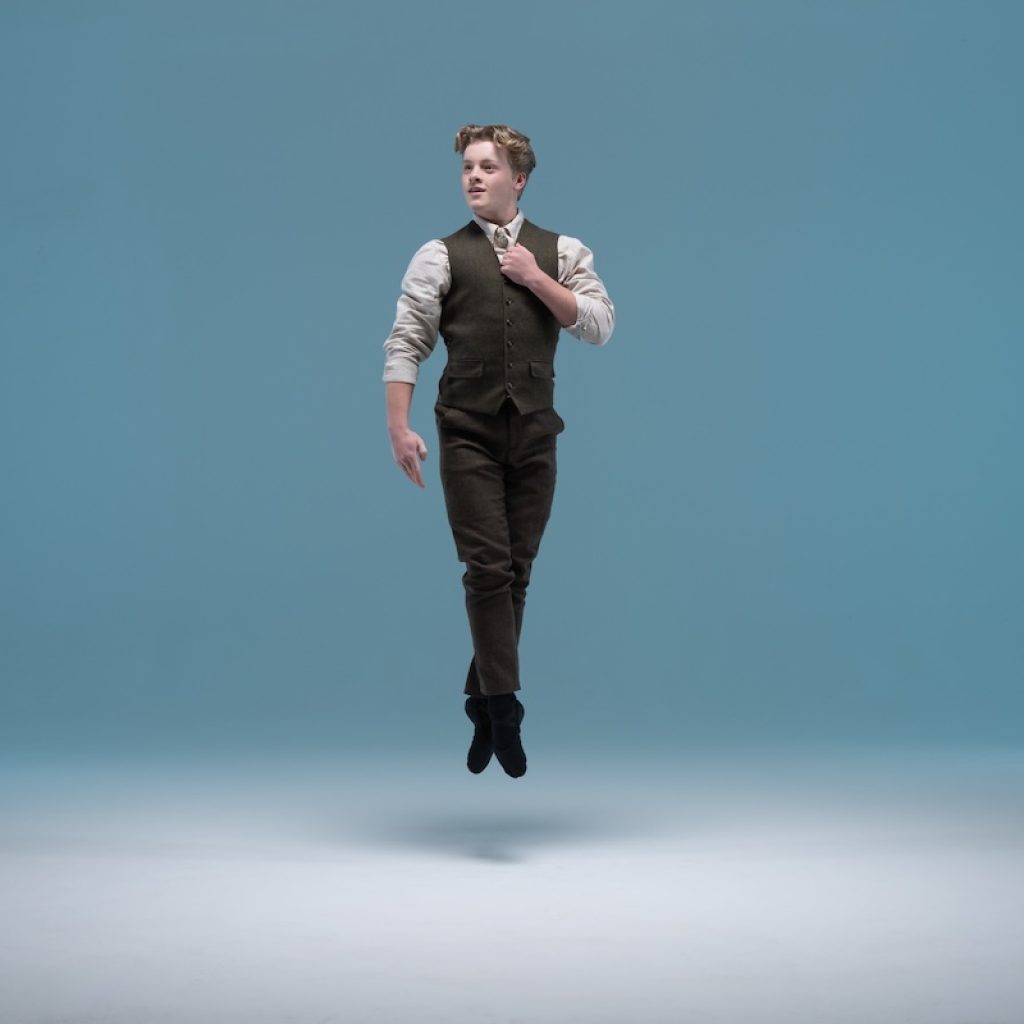
She continues, “Working in a collaborative way, whatever the role held – student, teacher, professional dancer, choreographer, director – brings the best results. However, I do feel that it always needs to be clear who the leader is. Young dancers need to be guided, taught and nurtured. They need to learn to listen to gain knowledge to improve and they need to respect their teacher. However, it is also important that the dancers feel they can ask questions and contribute.”
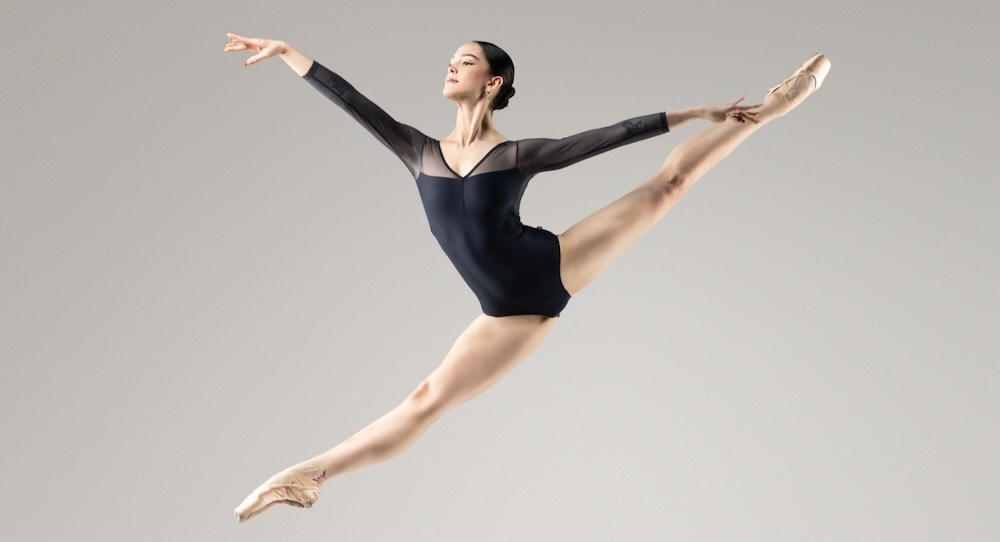
Robin Fiddes, Executive Director for the E. John Busser Ballet Scholarship programme, provides their thoughts on the changing landscape of ballet etiquette within context of the scholarship programme. “We have noticed a move to a much more casual attire in the audition videos we receive,” she notes. “It’s now uncommon to see anyone in plain leotard and tights in their videos; outfits are now often functional and more of a mix-match style, for example leotard with athletic shorts. As far as we are concerned what’s important is that our selection committee can see enough of the dancer’s body to determine facility, line and alignment. When a dancer is more comfortable in their appearance they tend to perform better, too.”
Fiddes also offers interesting insight regarding respect and professionalism expected from student applicants. “Our expectation is that they follow the instructions. Ninety percent of the time this happens; the other 10 percent show a lack of respect not just for the selection committee but for themselves as well.” She describes a recent applicant who did not film a requested introduction video, only gave a four-sentence essay and entered a hurried, incomplete video of the required movements and combinations. “They were technically a beautiful dancer, but they obviously didn’t care, and it showed,” Fiddes says. “There have been several similar applications in the last few years.”
“The word discipline comes from the Latin disciplina, meaning ‘Instruction,’ ‘knowledge’ or ‘training’,” explains Brill. “I think in the past we have thought of discipline as historically associated with obedience, authority and strict behavioural control. In recent years, it has been reframed as consistency, self-regulation and commitment. This is how I see it – discipline is a path that you follow in order to reach and maintain a standard. Some dancers are naturally motivated and focussed, whereas others need more time and attention to find their way.”

Brill follows on by acknowledging that young people’s attention spans seem to be getting shorter. With fast-paced input, constant distraction and pull towards screens, it may feel like a shock to some young people that they need sustained attention.
From another point of view, although different from a ballet class situation, Jo Arnett-Morrice, Chairman of the Sussex Festival of Performing Arts, reports positively on the recent festival: “I witnessed friendships being made, dancers showing genuine gratitude when receiving awards, and general politeness around the theatre. Children were quiet when asked to be backstage, and behaviour was good.”
So, there’s evidence it’s not all bad news!
Etiquette: An evolving scene producing many positive routes for better practice and results. Yet greater freedom and lower perceived boundaries come with their own risks. Perhaps a thoughtful step forward would be to proceed with consideration, drawing both on lessons from the past as well as modern solutions for the future. Protecting our love of ballet, it’s unique etiquette and nurturing it in its entirety to hand down all we have learned for the next generations.
By Louise Ryrie of Dance Informa.