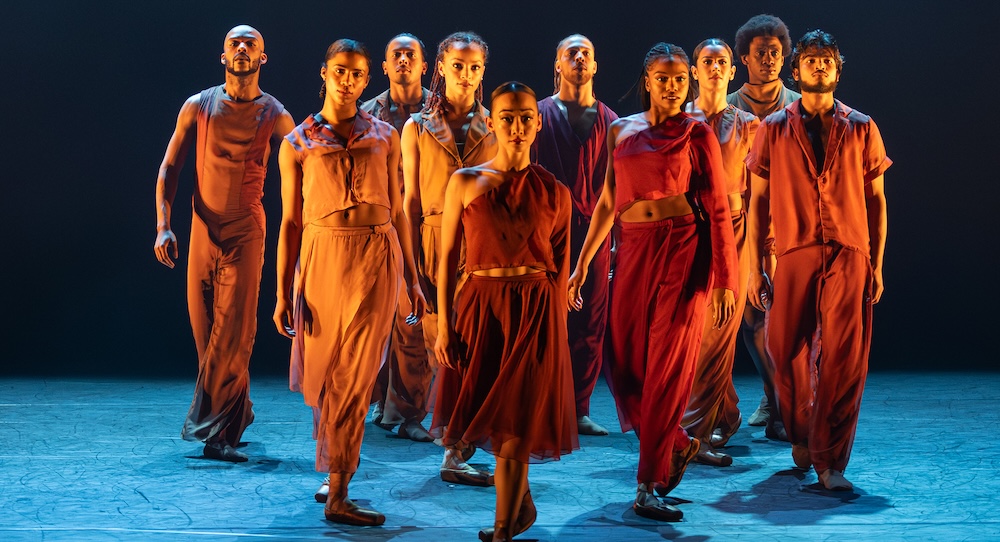
Founder, CEO and Artistic Director of Ballet Black, Cassa Pancho, talks on a sunny morning from Ballet Black’s studios in Hammersmith, London, on challenges, surprises and day-to-day life.
But first, congratulations are in order, as Ballet Black reaches 25 years old this year and celebrates with another dramatic production, plus an anniversary challenge to raise £25,000 to sustain dancers, and support new creative voices.
In true Ballet Black style, the audience has no idea what they are in for in this latest production which has already been staged at the Linbury Theatre, Royal Ballet and Opera, and other venues earlier this year. “If you know us, you know that you don’t know what we are going to do from one year to the next,” Pancho says with a smile. “Us surprising audiences has kept them coming back, which has been a nice surprise for us! I didn’t start this (company) with any time period in mind. I just kept turning up to work, and it turned into this!”
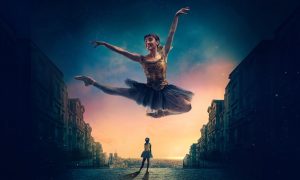
The surprise element is a great point to highlight, and Ballet Black’s very loyal following, renowned for responding enthusiastically when in the audience, will doubtless be surprised and fully engaged with Ballet Black at 25 – a hugely contrasting double-bill that arrives in London at Sadler’s Wells in mid-October.
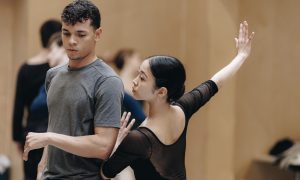
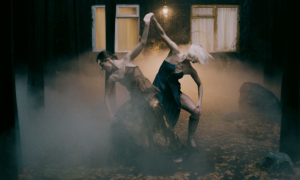
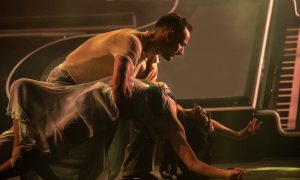
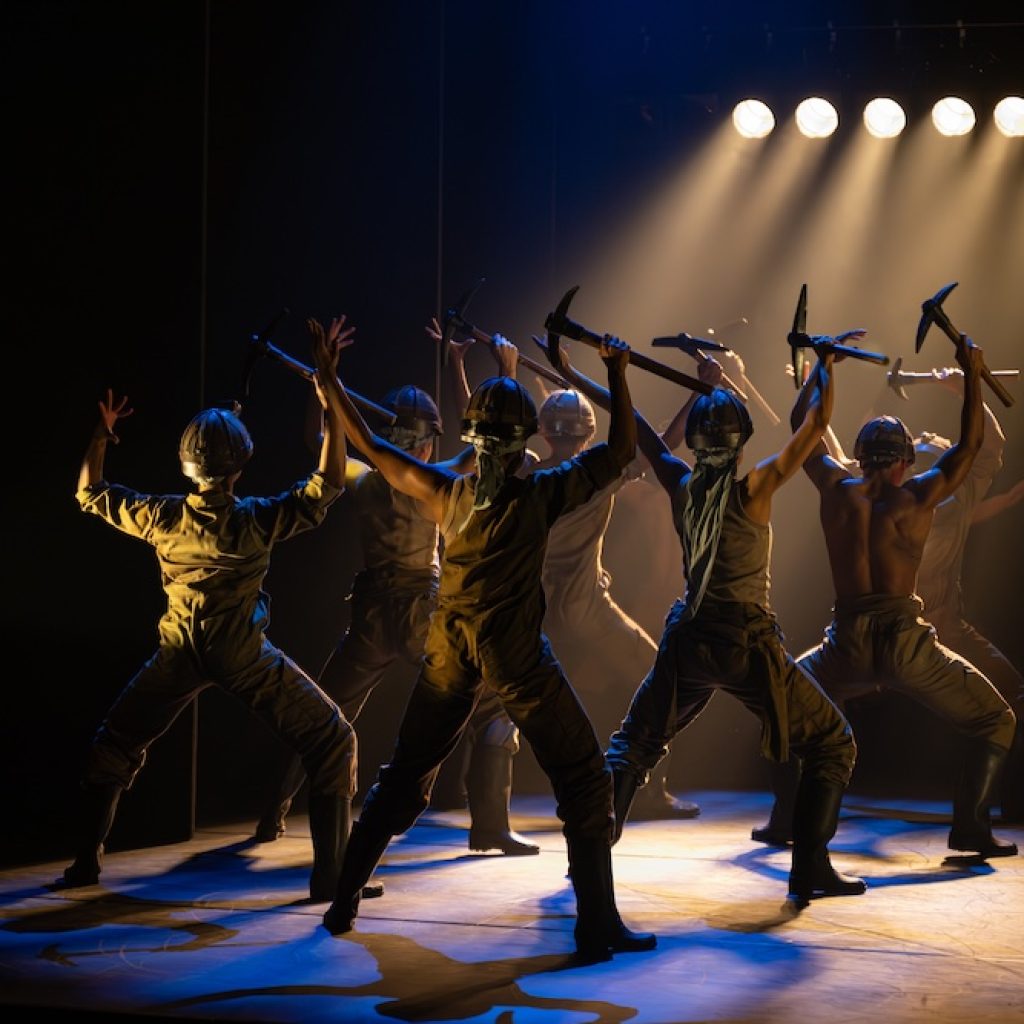
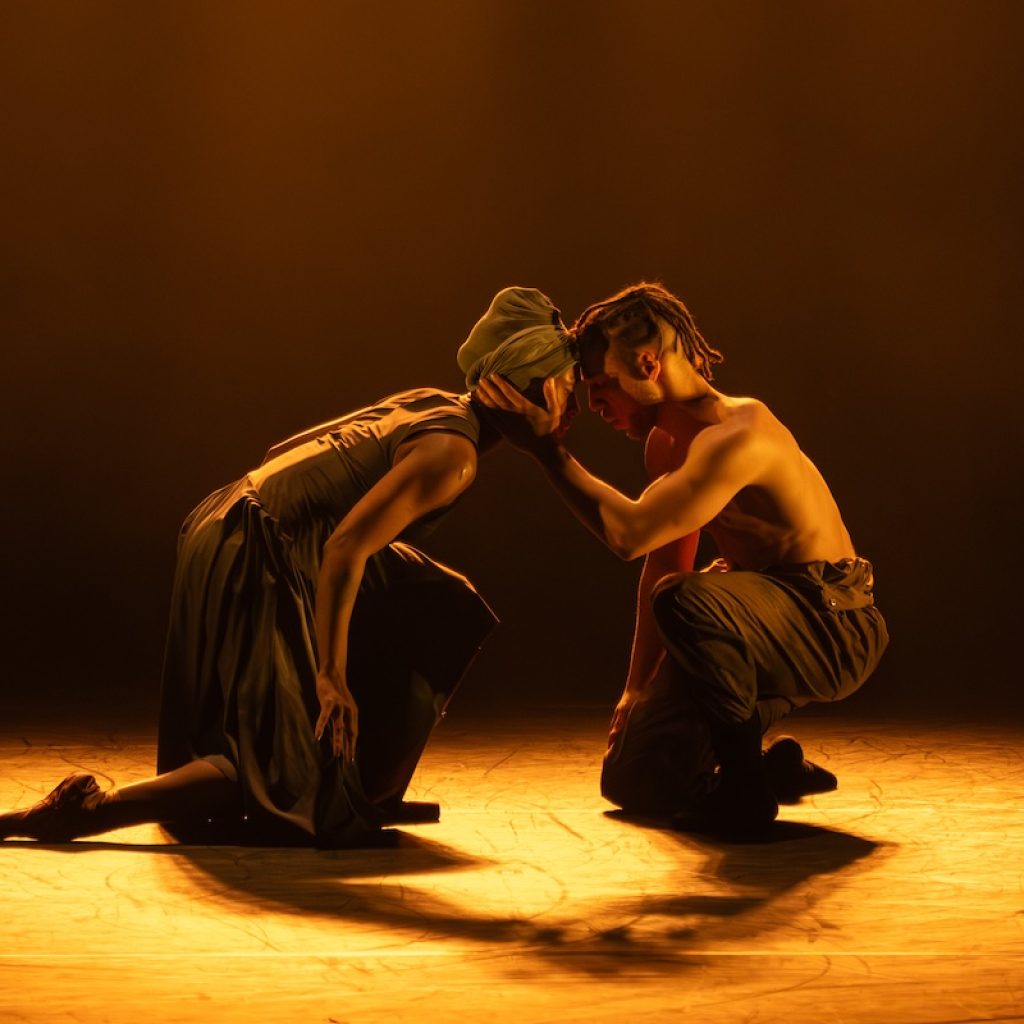
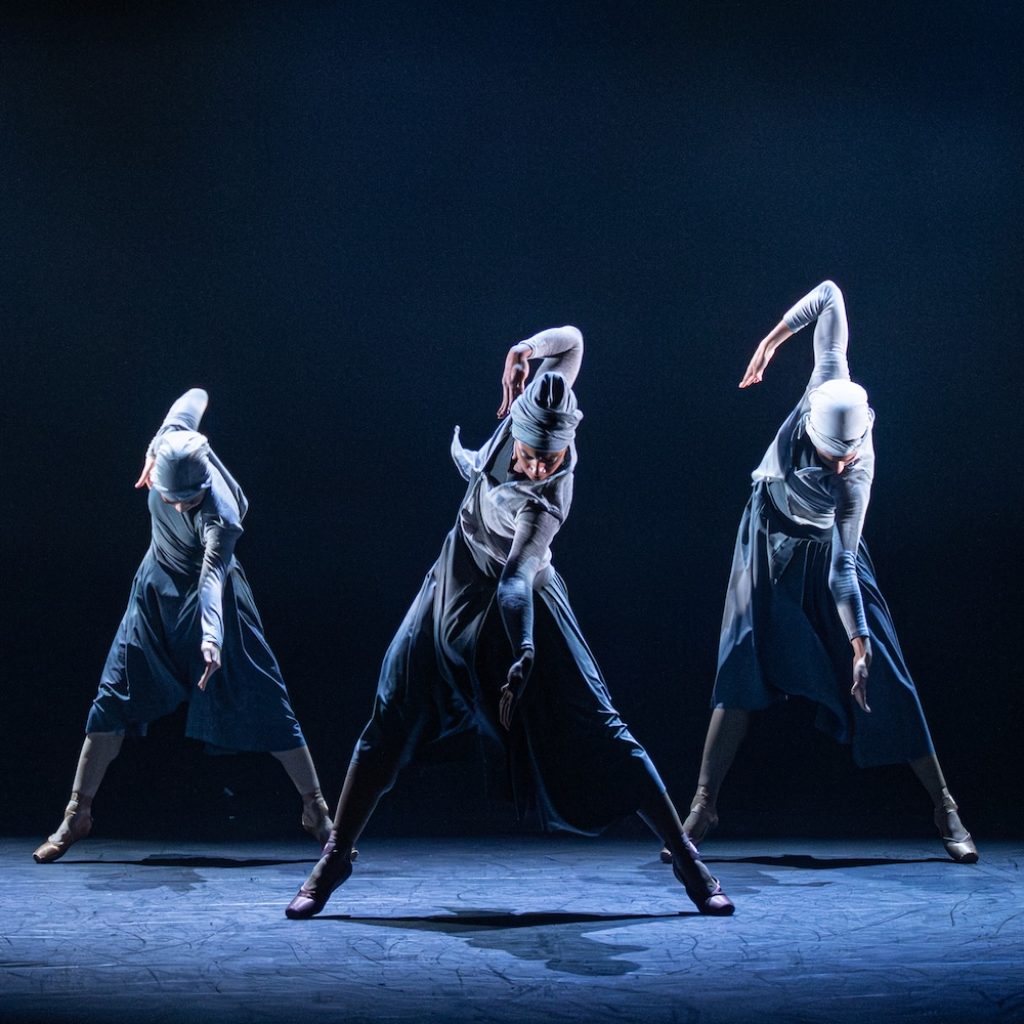
First, a revival of Mthuthuzeli November’s 2019 creation, Ingoma, an award-winning heavy and emotional piece inspired by the 1946 South African miner’s strike. It carries a content-warning in pre-production information, which refers to scenes of rioting, though the opposing side are not featured. And intense emotion so strong – says Pancho, that dancers are visibly moved on stage. Act II follows, with a much lighter theme. A celebrational piece, a vibrant tribute to the journey so far. Commissioned by Pancho for the company’s 25th anniversary and choreographed by Hope Boykin, who previously created a short film for the company during the pandemic years.
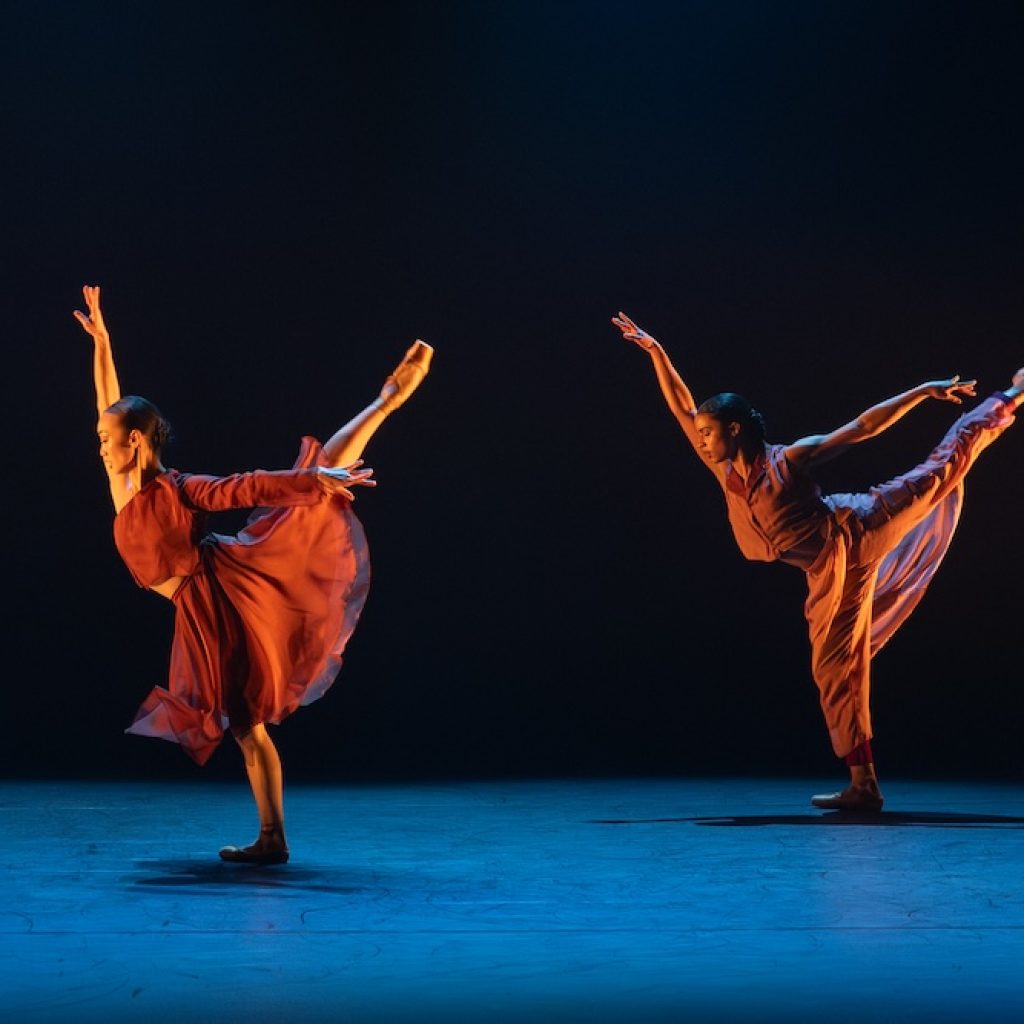
How is the repertoire chosen for Ballet Black’s bold and striking productions, and what of the penchant for surprising or shocking narratives? “All those big classical ballet stories haven’t appealed, plus we don’t have the scale for them,” Pancho reveals. “I like fresh original stuff, proper reflective ballets, that show a different perspective on life. And always, something that challenges the dancers, because we keep the same repertoire for the whole season.”
She continues, “I’m drawn to choreographers who can make strong narratives. There is something about expressing a story through using your body and no words. Most of the time, you will get the best work, by going to choreographers and seeing what they want to say.”
Generally, Pancho works on the funding and the running of the company, and commissions choreographers, by watching a lot of theatre and dance to find people she’d like to work with. Pancho, though not classing herself as a choreographer, has choreographed for the company herself just three times so far over the years, memorably at the company’s 20th anniversary, when she created My Sister, the Serial Killer as a dance/theatrical adaptation to the novel of the same name, which she had read. “The two women, sisters – with no male hero coming in to save them, the small cast of supporting characters, the book written by a Nigerian woman author, everything aligned perfectly,” she explains. It’s a great example of one of Ballet Black’s highly original pieces that took audiences completely by surprise – they were audibly gasping and laughing, delighted by the dark humour delivered through the very swift movement and action.
“Our motto is show, don’t tell,” says Pancho, who describes another aspect of their work with young pupils in the Ballet Black Junior School who come and watch company performances. Children see their teachers transform into dancers on stage before them. Such a positive experience that re-enforces the discipline young people are learning in their classes and also opens their eyes to the possibility of a pathway to a future career. Children can see themselves represented on the stage – perhaps someone has the same skin tone, or the same hair as them – and understand that they can be part of this world. This year, dancer Ruby Runham makes history as the first alumni from the Junior School to be accepted as an apprentice artist with the company. She will be performing with them this season in a very proud company moment!
In what ways have the last 25 years been a challenge? “Funding,” is Pancho’s immediate reply, and we open an essential subject close to her heart, and to many, many artists hearts, as without enough funding, we stand to lose these smaller touring dance companies that reach into corners of societies, who are offering original, innovative and unique work, showcasing dancers who have trained their whole lives to perform and share their passion with the rest of the world.
“They deserve proper funding and support, too,” states Pancho simply.
She then points out a further layer of challenge in seeking that financial support; the more AI seeps into our everyday lives, the greater the quality of the wording in the applications that bodies offering funding today are receiving. Competition is definitely getting tighter.
Pancho describes the increasing pressures of running the company, growing from just herself and a few dancers in the early days, to a body of 30 staff members, where all around them costs for just about everything continue to sky-rocket. She admits that the pressures of the day-to-day running, not to mention the continual hunt for funding, can and does block her creativity. “There’s an assumption that, as we have gotten to 25, we are secure financially, but we are constantly trying to find enough,” she reveals, giving an important and frustrating insight into the plight of smaller dance companies who must continually fight to thrive – and even just to survive.
Unsurprisingly, given our discussion topics today, when asked about the next 25 years, Pancho expresses with a wry smile, a desire to be appreciated for getting to this landmark and offered her aims for the next five years. “Trying to shore up some stable financial income,” she says. “We are doing the art well, but we need to keep those artists supported.”
It is indeed clearly her passion and drive that is keeping both hers, and others, dreams alive. And here’s to those next 25xx years blossoming in abundance, filling theatres across the country with Ballet Black and more, with all sorts of people who will come to watch for the experience, not necessarily just the dance, in the way that society buys into film and popular music culture. Would that surprise us? Wouldn’t that be a wonderful world to buy into.
Ballet Black will present the double bill, Ballet Black at 25, at Sadler’s Wells from 14 – 17 October. For tickets and more information, visit www.sadlerswells.com/whats-on/ballet-black-at-25-double-bill.
By Louise Ryrie of Dance Informa.