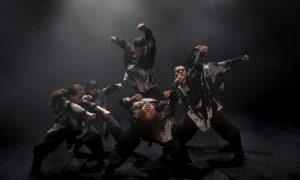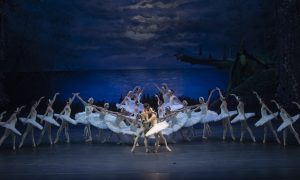
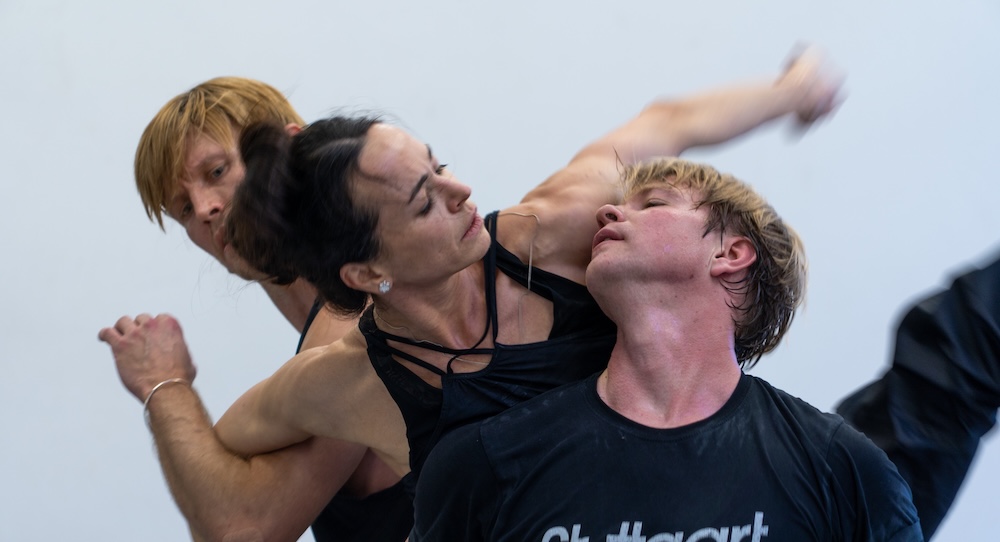
In an industry that has long celebrated youth as the pinnacle of artistic excellence, a bold new company is challenging the very foundations of how dance perceives age, artistry and relevance. WINNDance Company arrives not simply as a new dance company, but as a cultural statement – one that asks an important question of the arts world: what if an artist’s most profound work begins after 40?
Founded by acclaimed dancers and directors Marijn Rademaker and Slava Tutukin, WINN is an international dance company and creative platform dedicated to world-class dancers whose careers have already shaped ballet and contemporary dance across decades. Their mission is clear: to transform the perception of aging within dance and create space for mature artists whose voices continue to evolve long after traditional industry expectations suggest they should step away from the stage. Age is not a limitation, but a powerful expression of experience, depth and artistic maturity.

“We have seen too many extraordinary artists leave the stage at the moment when their voice becomes most powerful,” Rademaker and Tutukin say. “WINN is about giving space to that moment and allowing it to be seen.”
The company will make its highly anticipated debut at La Biennale di Venezia with the world premiere of Scirocco: Death in Venice – Bridge of Sighs, performed at the historic Teatro Malibran on 31 July and 1 August. The production marks the opening of WINN’s inaugural season and international tour, bringing together an extraordinary collective of dance luminaries whose presence alone signals a pivotal moment for the artform.
Scirocco consists of five different choreographic languages and the evening unfolds as a two-part dialogue. Inspired by Thomas Mann’s Death in Venice, the first chapter features works by celebrated choreographic voices Imre van Opstal, Marnix van Opstal, Omar Román De Jesús and Rainer Behr. The second chapter, Bridge of Sighs, is created by legendary choreographer John Neumeier, whose reflections on dance and humanity perfectly encapsulate the ethos of the company.
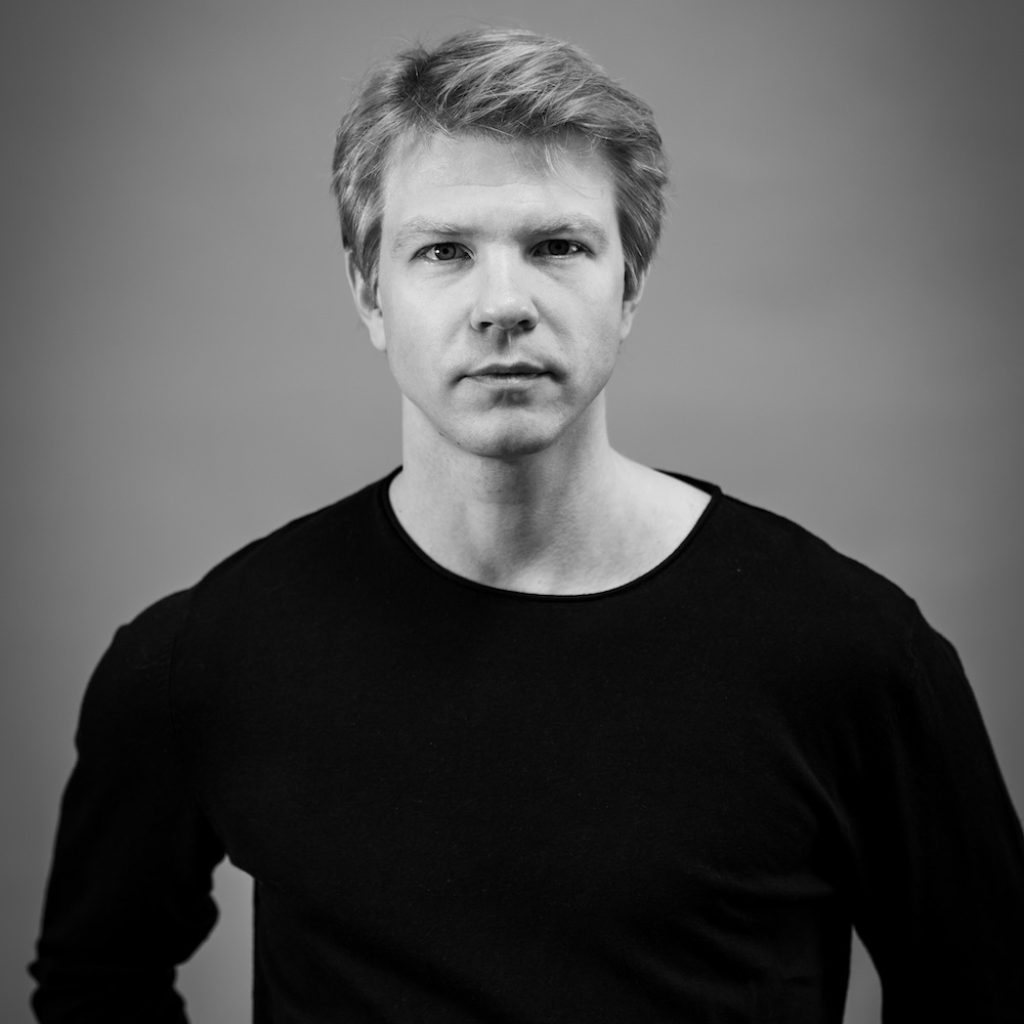
“The instrument of dance is the human body – tempered, trained and tuned to articulate physical actions which symbolise and consequently give shape to deep and sometimes enigmatic emotions,” Neumeier says. “I believe dance must mirror humanity. My dream has always been to work with an ensemble of artists of different ages, because humanity – and therefore dance – should not be limited to a certain age group.”
The production brings together an exceptional cast, including Diana Vishneva, Gil Roman, Silvia Azzoni, Oleksandr Ryabko, Mara Galeazzi, Igone de Jongh, Marijn Rademaker, Polina Semionova, Kayoko Everhart and Silas Henriksen, representing a rare concentration of artistic experience, presence and individuality on stage – artists who carry not only technical mastery, but decades of emotional depth, lived experience and artistic refinement.
What makes WINN particularly compelling is not nostalgia, nor a return to past glory, but the belief that maturity deepens artistic relevance. There is something profoundly moving about witnessing artists who have been trained, tuned and tempered through years of performance, personal evolution and life itself. In many ways, this is the moment where artists find their truest voice.
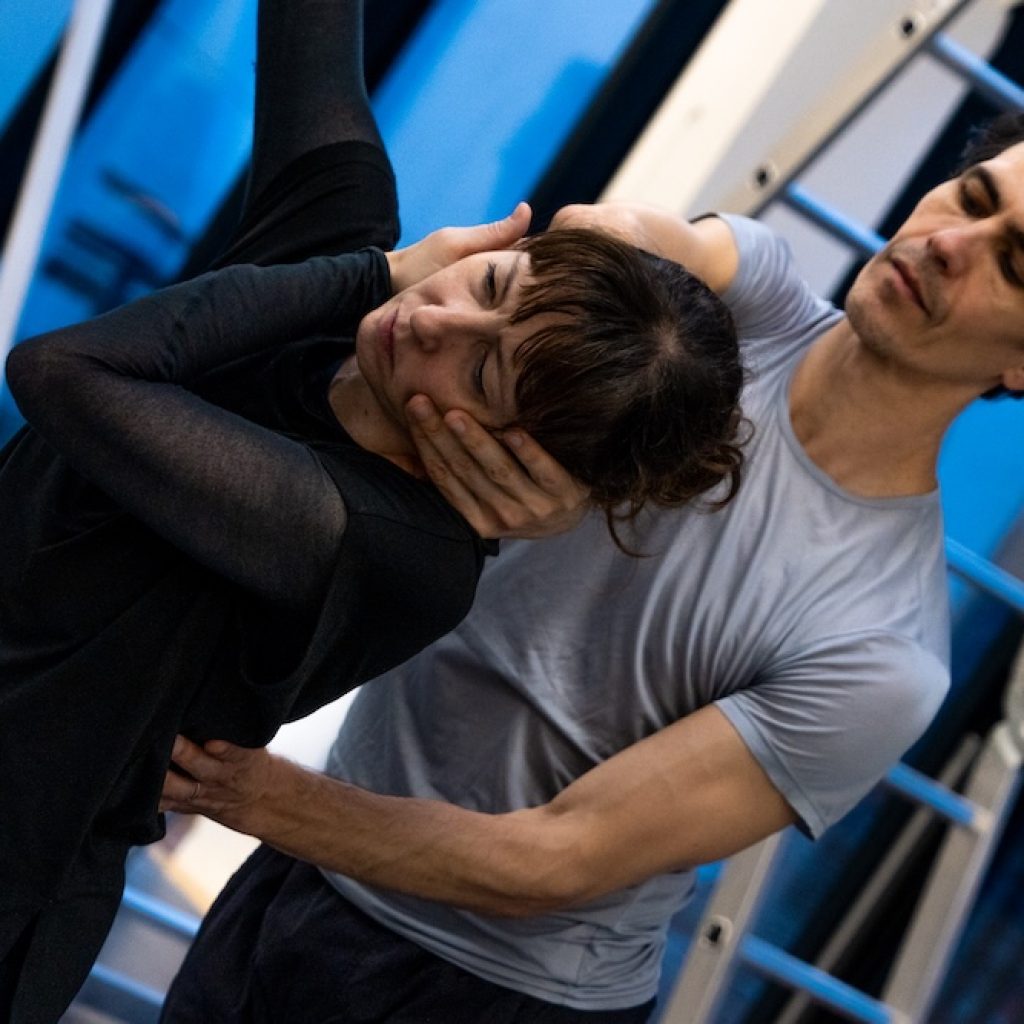
“Marijn Rademaker and I created WINN from a belief that experience, artistry, and emotional depth continue to grow with time,” Tutukin shares. “Bringing Scirocco to Teatro Malibran as part of La Biennale di Venezia and then on an international tour is a very special moment for us. This premiere is not only about a new production, but about creating space for a different conversation around age, beauty, and the value of lived experience in dance and in society.”
Personally, I find this initiative deeply exciting. I had the privilege of being invited into an early glimpse of WINN’s development process and immediately recognised the significance of what was unfolding. There was a palpable sense that this was not simply another dance project, but the beginning of a wider conversation the industry has long needed – a conversation about longevity, visibility and the value of lived experience within artistic practice. So often in dance, performers are conditioned to believe their time diminishes with age, despite the fact that artistry itself becomes richer, more nuanced and more human over time. The emotional intelligence that emerges through decades of creation, discipline, heartbreak, reinvention and resilience cannot be taught in a studio. It is earned through living.
And perhaps that is where the truest art resides.
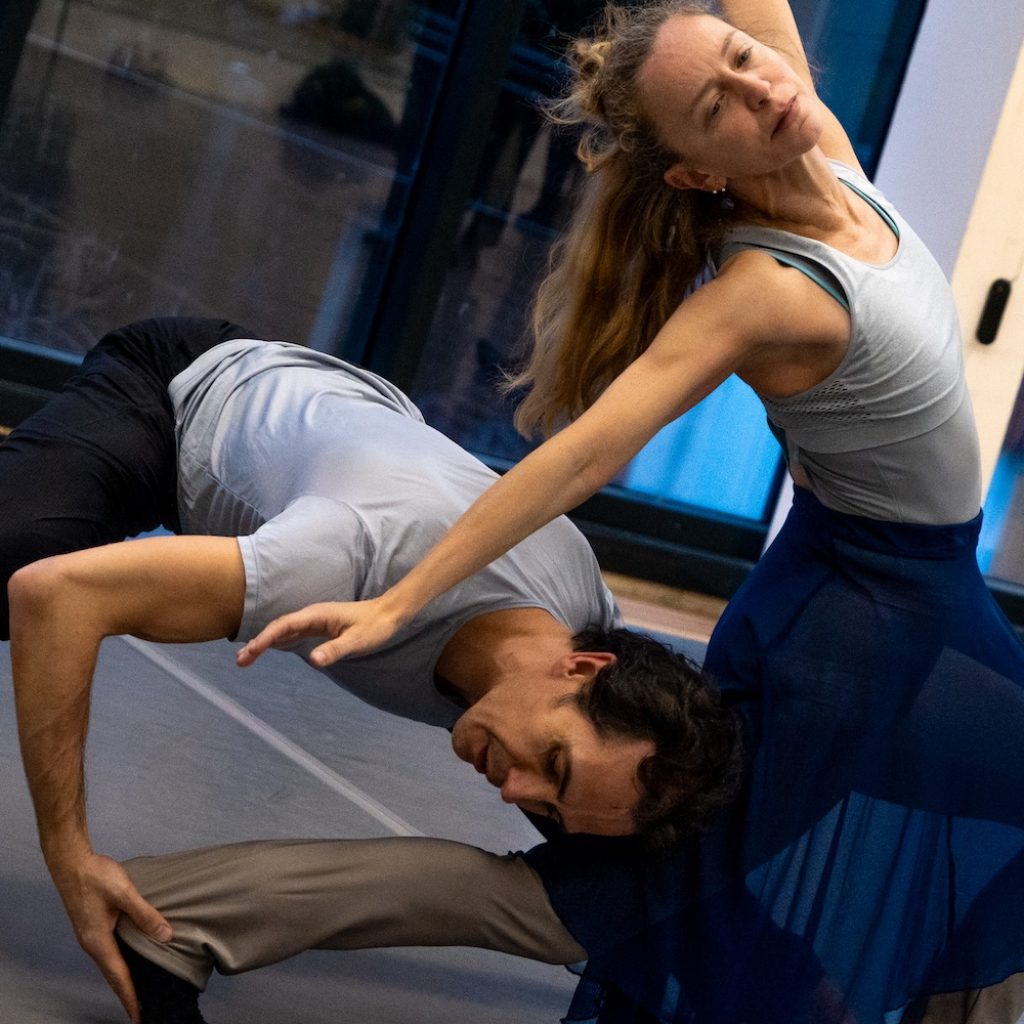
WINN challenges the long-held narrative that physical peak equates to artistic peak. Instead, it proposes something far more expansive: that the evolution of the artist is itself worthy of centre stage. That audiences are hungry not only for virtuosity, but for authenticity, depth and humanity.
Even the production’s visual identity reinforces this refined perspective. Costumes designed by BOSS establish a sophisticated dialogue between fashion and movement, adding another layer to the evening’s exploration of time, identity and perception.
At its core, WINN – “When, If Not Now” – carries a richness that can only come from time, depth and lived experience, arriving at the moment its fullest expression is ready to be shared. It is an artistic and ethical statement that asks the dance world to reconsider who gets to continue creating, performing and being seen. More importantly, it offers a vision for a future where age is not viewed as limitation, but as expansion.
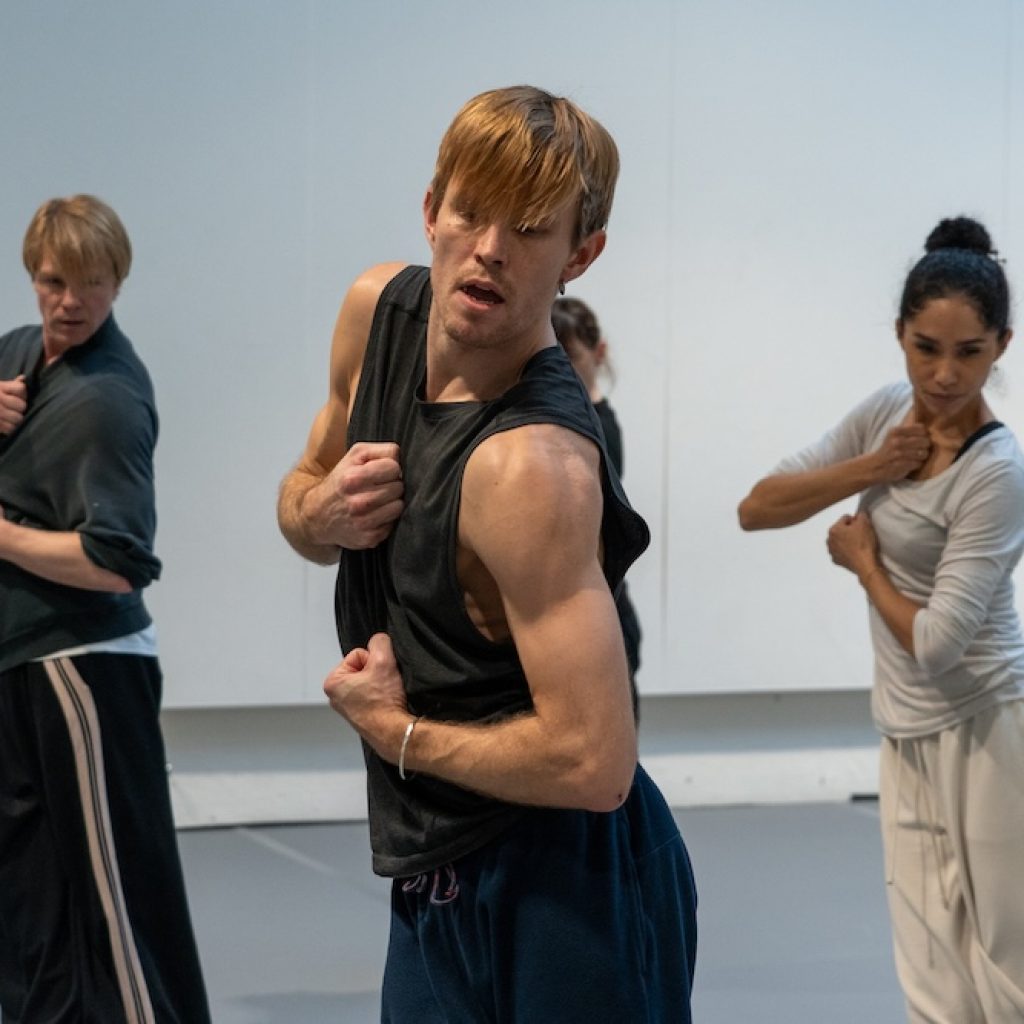
As the broader arts community prepares to witness WINN’s debut in Venice, one thing feels certain: this is more than a performance season. It is the beginning of a necessary shift in how we define artistic excellence in dance today.
To learn more about WINNDance Company and the upcoming world premiere, visit www.winn-dance.com.
By Renata Ogayar of Dance Informa.