Can changing the way we think about how our body works really help us and our students improve? This is precisely the idea behind The Franklin Method, which uses imagery, sensory feedback and functional anatomy to enhance wellbeing, prevent injury and improve performance.
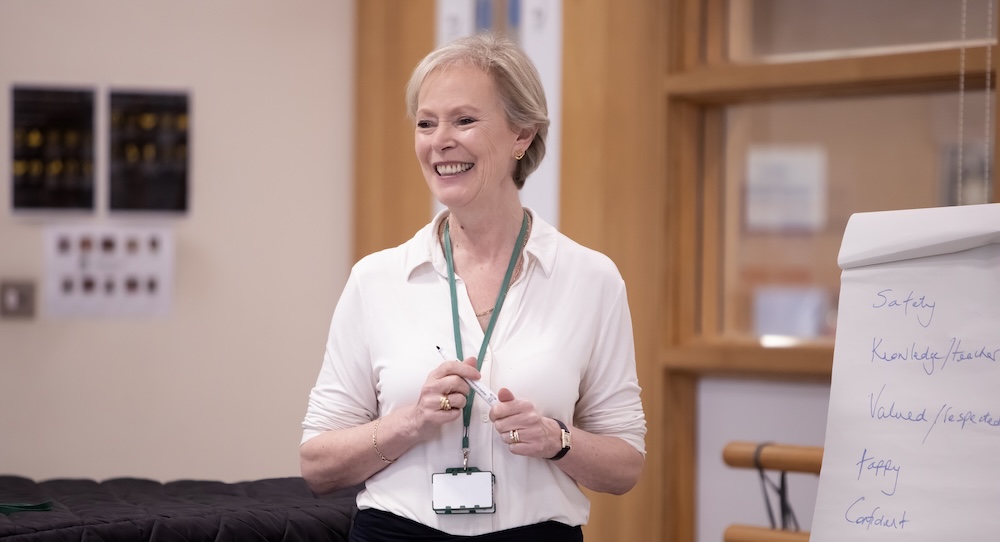
As part of The Royal Ballet School’s Enlighten webinar series, which provides dance teachers with insights, support and inspiration through regular webinars, Sarah Daultry’s upcoming June session will explore this groundbreaking approach. Dance Informa caught up with Daultry to discuss how The Franklin Method can enhance coordination, build confidence and deepen dancers’ understanding of movement.
Your upcoming June Enlighten webinar shines a spotlight on The Franklin Method. For readers discovering it for the first time, what exactly is it, and what drew you to it in the first place?
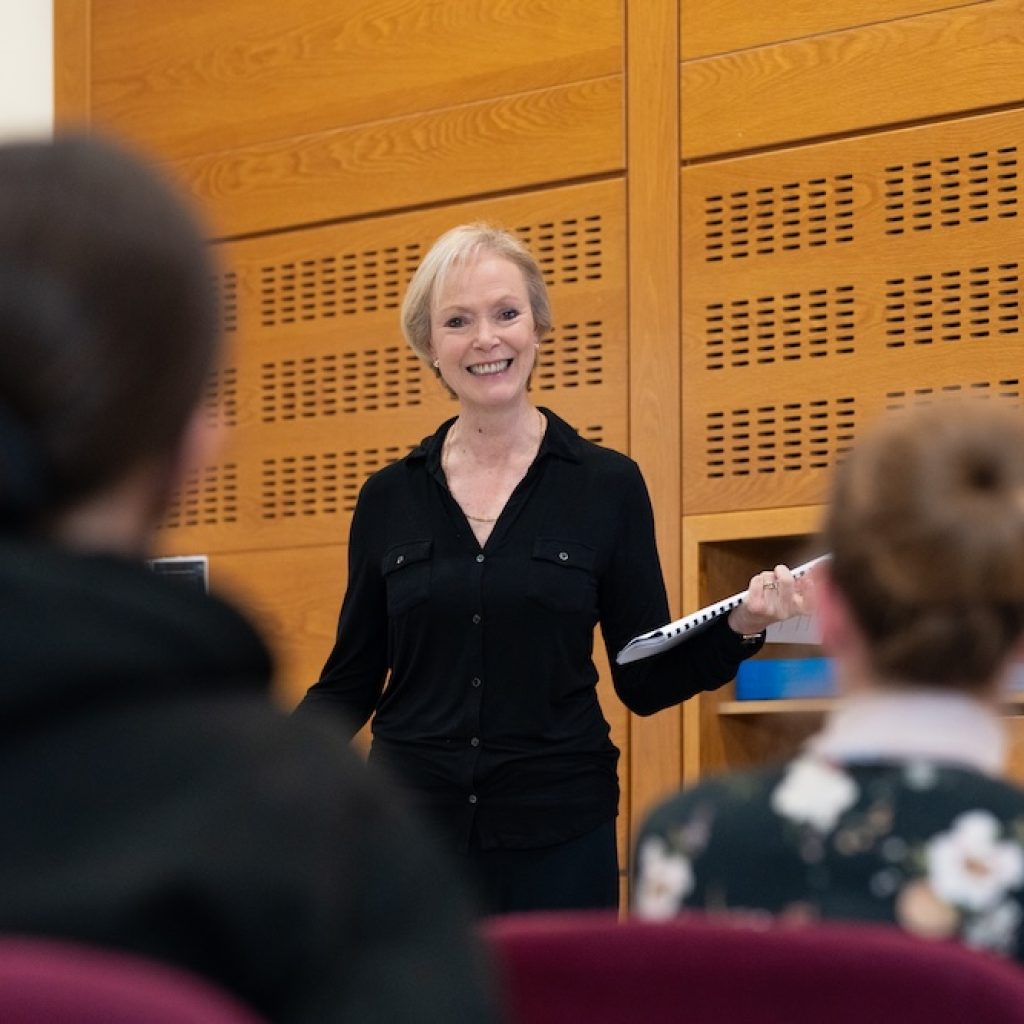
“The Franklin method is really a way of learning about how your body is designed to move and how you can influence it through your thoughts and the use of imagery. It combines functional anatomy – understanding and experiencing physically what happens when you move, absorb and use force – with various types of sensory feedback and imagery to find ways of feeling and influencing your movement patterns.
I became aware of it through a professional interest in anything that might help dancers and had the good fortune to be introduced to a Royal Ballet School alumni Rachael Hall (Waldron), who had become a Franklin Method educator and FM faculty member. She told me that it would open up a whole new approach to ballet and she was right. I went on to study with Eric Franklin and his team and have been using it in my teaching for about 10 years now.”
How has it influenced the way you approach moving, teaching and teacher training?
“For me, personally, I am very mindful about finding ways that help me move efficiently, and to use the techniques to help prevent injuries, stress and general wear and tear on my joints. By understanding what is going on in my body and working ‘with it’ rather than ‘against it,’ I have actually increased both flexibility and strength since working with the method, which I find quite remarkable.
In teaching, my students learn to appreciate things like the importance of focused attention, good breathing and the benefits of proprioceptive feedback alongside their classical technique.
With teacher training, it has had a double impact. First, introducing teachers to various techniques that help them personally means that they can have longer, happier teaching careers and carry around less stress and tension (always a good thing) and then by helping them work with the knowledge when they teach, encourage them to perhaps re-think traditional cues, try out new approaches and look at ballet technique holistically, in terms of movement skills rather than only steps and vocabulary.”
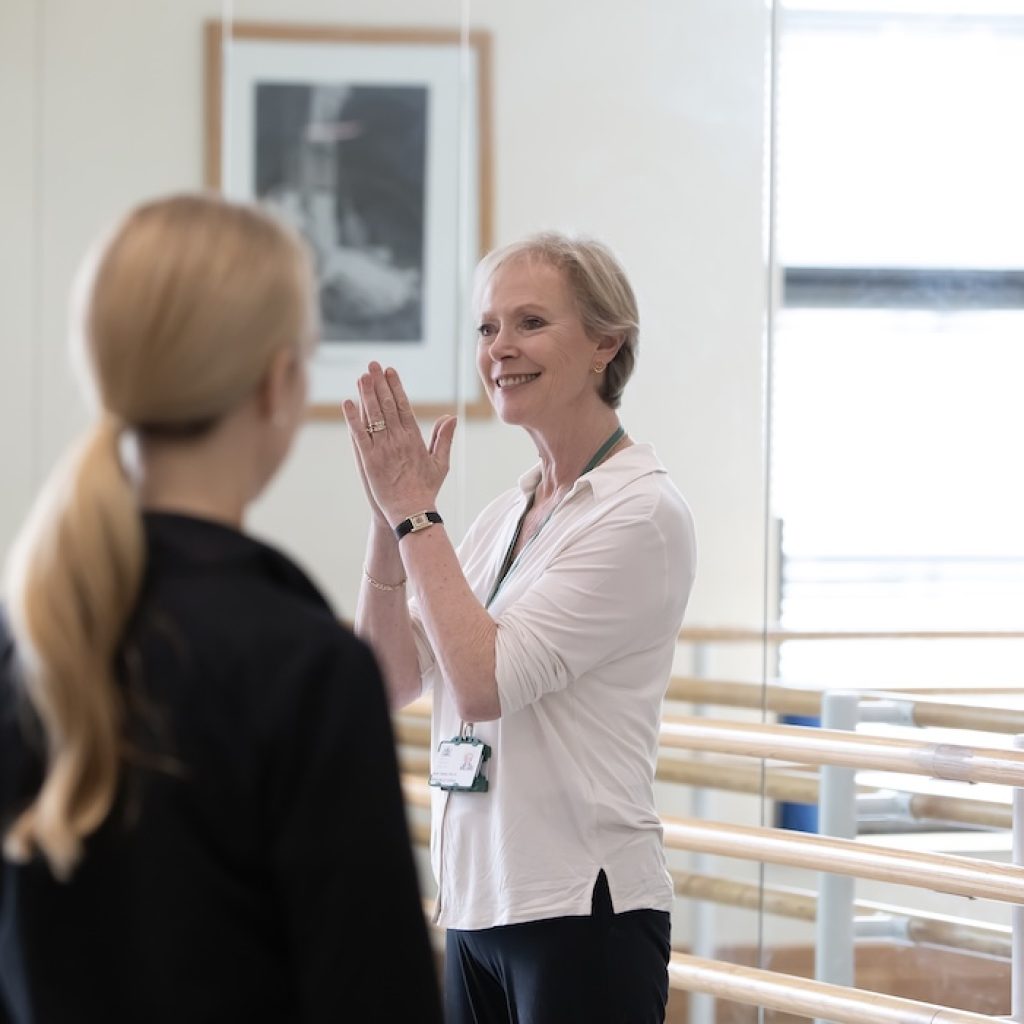
Are there any types of teachers you think might particularly benefit?
“I think every teacher would benefit from learning about this method. In one of the past webinars, I had the Program Director for the Hamilton City Ballet’s Dance for Parkinson’s programme as a participant. She was so impressed with how her body responded that she went on to become an FM trainer and now bases a lot of the work the programme does around it. I have taught workshops for dancers, teachers, non-dancers, cyclists and horse riders, the very young and the not so very young. It is useful for everyone but as it concerns itself primarily with influencing movement it is especially useful for all dancers and definitely all dance teachers.”
There is still relatively little discussion of The Franklin Method in the wider sector. How have you seen its ideas translate into ballet and vocational dance training?
“It is so uplifting to see the results when you work with dancers and watch these techniques take hold. It is a very student-centred approach that encourages dancers to learn about their body and find ways to make changes – large and small.
During the pandemic, I worked with several vocational schools online teaching breathing workshops and still have students tell me what an impact the sessions had.
I think that learning about breath, the spine and how they impact movement in any dance genre would be a good place to start. As it can supplement both the artistic training that dancers have and the care and support they receive from healthcare professionals it is also a way of transferring important knowledge that is often gained outside the studio into physical reality and embodiment in it.”
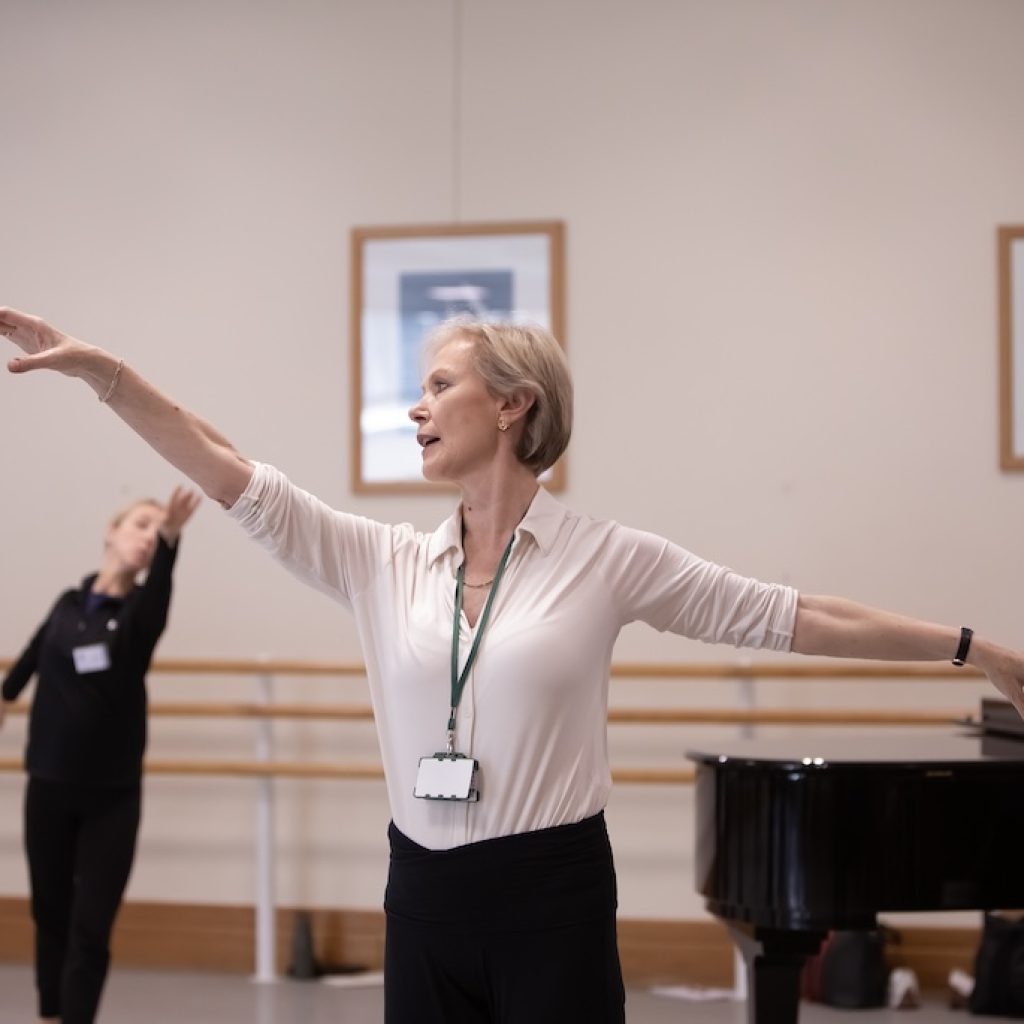
For teachers considering joining the June webinar, what practical insights and personal and professional benefits can they expect to take away?
“Hopefully, as with all The Royal Ballet School’s teacher training courses, it will give teachers new ideas and strategies that add to their teaching skills.
This webinar highlights what is central to The Royal Ballet School’s training ethos, encouraging ‘a thinking dancer’ – a culture where the student is at the centre of the learning process, gaining knowledge and understanding that will eventually help them to become autonomous life-long learners. The webinar will also include a short practical session where participants will experience some of the techniques that stimulate the sensory nervous system and where we will explore ways to visualise breathing and spinal mobility. It is only an introduction, but there are others that the teacher training department offers that build on this and we are hoping to add more soon.”
To find out more about The Franklin Method and book your spot, visit: www.royalballetschool.org.uk/train/dancer-training/dance-teacher-training/enlighten.
By Allie D’Almo of Dance Informa.