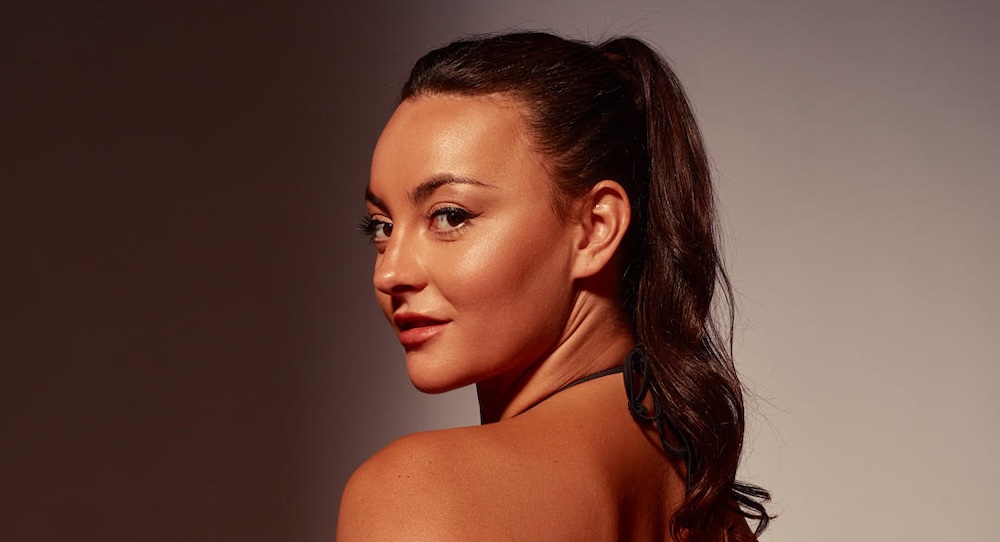
For many UK dancers, the American dream is exactly that, nothing more than a dream. But for dancer and educator Laura-Jane Fenney, Nashville is now home and the reward to the challenges she has faced.
Fenney has worked for companies such as Royal Caribbean first as a performer and now as a rehearsal director, toured the UK and Ireland in Grease the Musical, and performed as a principal artist for Cirque du Soleil. Now, she weaves her COVID initiative company, Mission Inspire, into her teaching and social media to help dancers find the joy of dance and become the best versions of themselves.
You trained at The Royal Ballet School from the age of 10. How did that chapter end?
“They told me in my final upper school audition, and they used a girl that was a couple of years ahead of me, by name, and they said, ‘If you were as talented as she is, you could get away with being as big as you are. But you’re not.’ I was 15. I just thought, ‘This isn’t for me. My feet aren’t going to hold out. My body’s not right. I’m making myself ill by trying to fit into this box of something that I don’t even love.'”
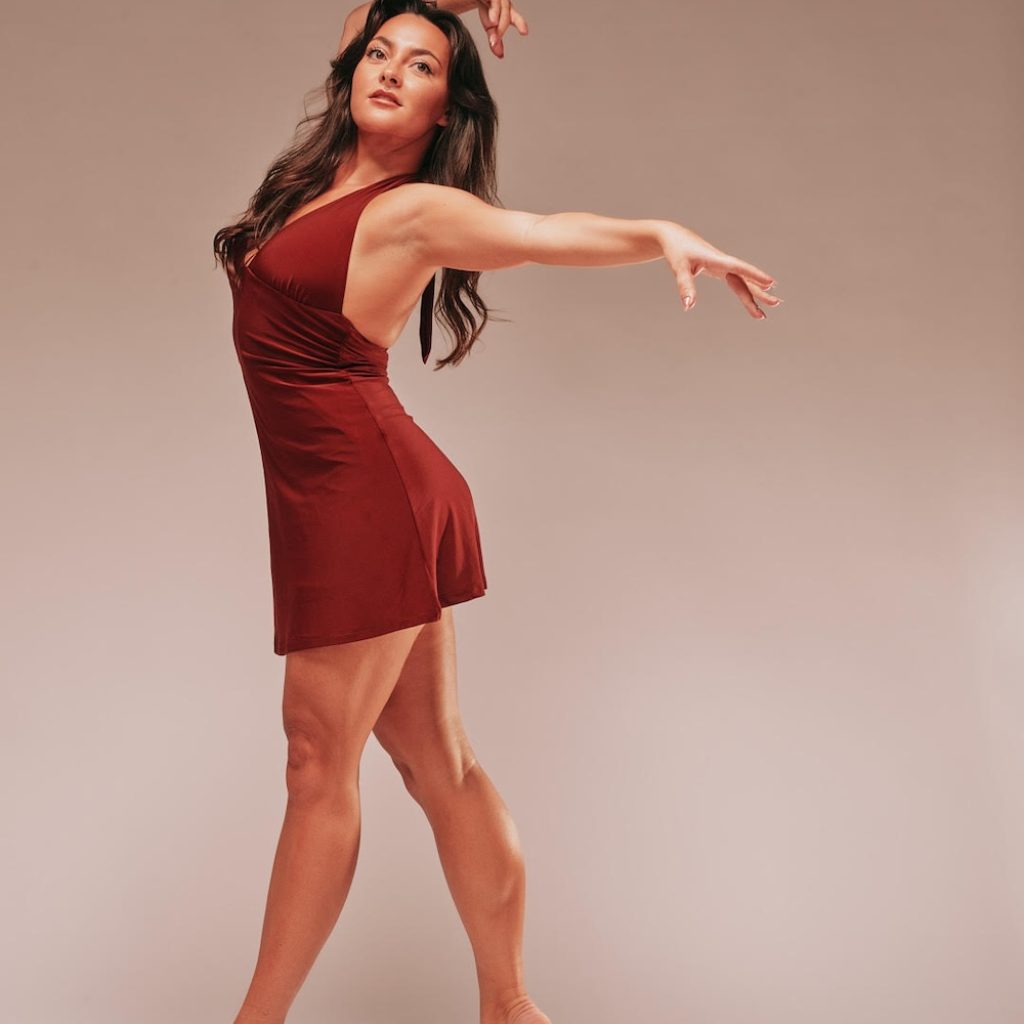
But even at such a young age, she used that rejection to fuel her next decision and went on to train at Laine Theatre Arts.
“I only knew about Laine because a few girls – Danielle Cato, Carrie Willis – had gone there. It was the only place I auditioned,” Fenney explains. “And luckily, it was when Betty Lane still loved ballerinas.”
This led you to work for Royal Caribbean, where you now work as a freelance rehearsal director teaching shows to new casts. Was that always the plan?
“I got to the finals for Wicked the Musical, and I wanted it so badly; that was my dream show. And then I found out I didn’t get Wicked the same day I found out I did get Chicago with Royal Caribbean. I thought, ‘If I don’t like it, I can just come home and try again.’ And then I did it, and I absolutely loved it.”
During the pandemic, you launched Mission Inspire. What was the driving force for this initiative?
“I started it because it was during COVID, and I realised that kids had nothing and parents were struggling. They were furloughed, and some people lost their jobs entirely. And then I noticed that all of my friends had nothing to do, no jobs, no income, and I thought, ‘If I can pay my friends to teach classes, I’m also offering something to kids who want to dance.’
I was just doing Instagram Live in my kitchen every day — a free ballet class. And then the Zooms started, and there were thousands of people on them. It made me feel so inspired. I thought people just love dancing. They just want to dance.”
What has Mission Inspire taught you about what young dancers actually need?
“One of the girls who participated was 14, and her mum said to me, ‘You’re the person who made her realise it’s okay to not be perfect. She used to cry every night before anything out of her comfort zone’. And I’d just say — we’re not curing cancer. We’re not performing heart surgery. We are just dancing. Making mistakes can lead to a whole new creation. Falling over can lead to cool floor work. Turning the wrong way could give you a shape you’ve never found before.”
You’ve just made the move to Nashville. What gave you the final push to take that leap?
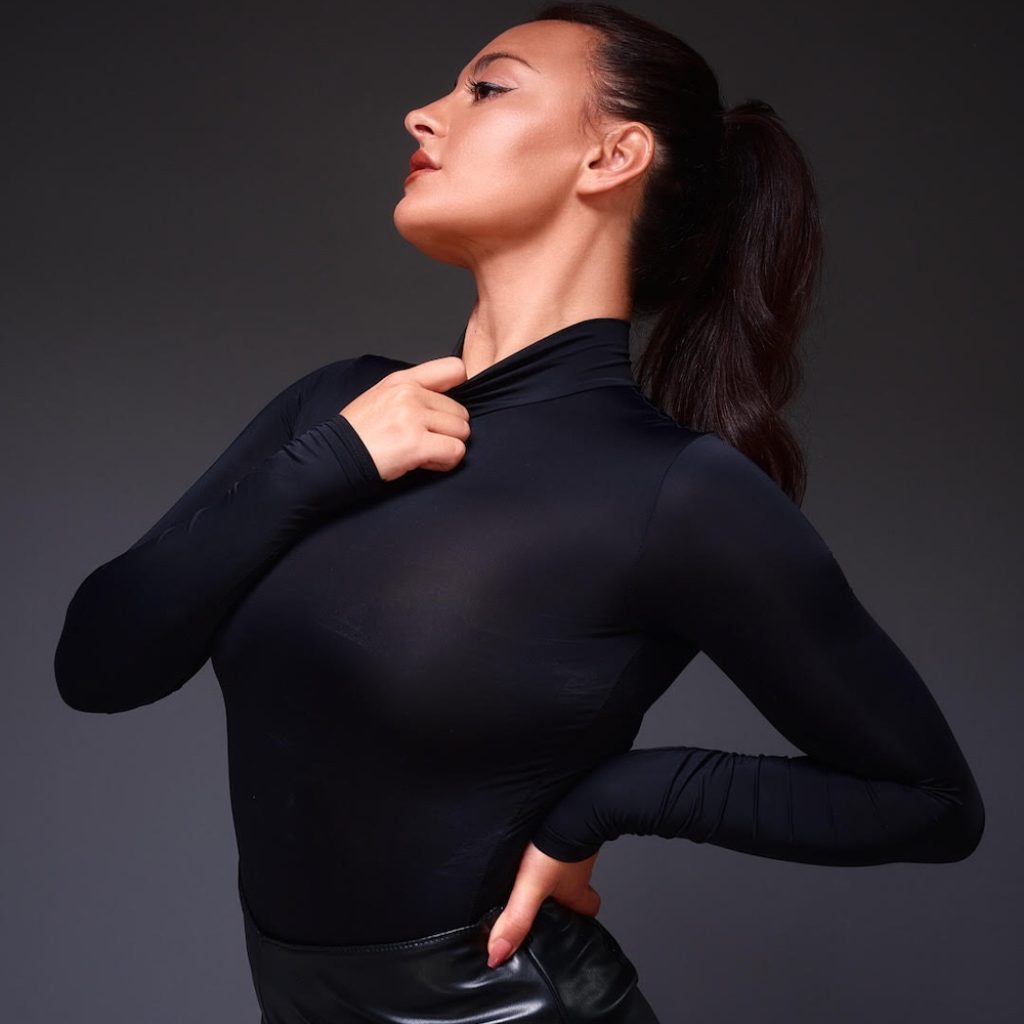
“I think for a while I was so afraid of being openly ambitious. As a woman, we’re taught to be humble, to be modest, not to come across as arrogant. But I think it’s okay to acknowledge that I have ambition, big dreams, and want that for myself. It’s taken me until this year to really own that. What stopped me from going for the visa was being afraid I wasn’t good enough to get it. I think a fear of failure has stopped me from doing so many things. And then I hit 30, and I thought, ‘You only get one life.’ My dad passed away at 54. Life is too short not to reach for the stars.”
Social media has become part of some audition processes and the wider industry. You’ve had a complicated relationship with it yourself.
“I assisted a choreographer for a while on pantos and productions. And I first started doing YouTube videos over seven years ago. He had seen my videos and messaged me: ‘What are you doing?’ I said, ‘I’m just putting out videos.’ And he replied, ‘It looks really unprofessional and you shouldn’t be doing that.’ So that really knocked my confidence, and I stopped.”
This is something many dancers will relate to: being discouraged from putting themselves out there.
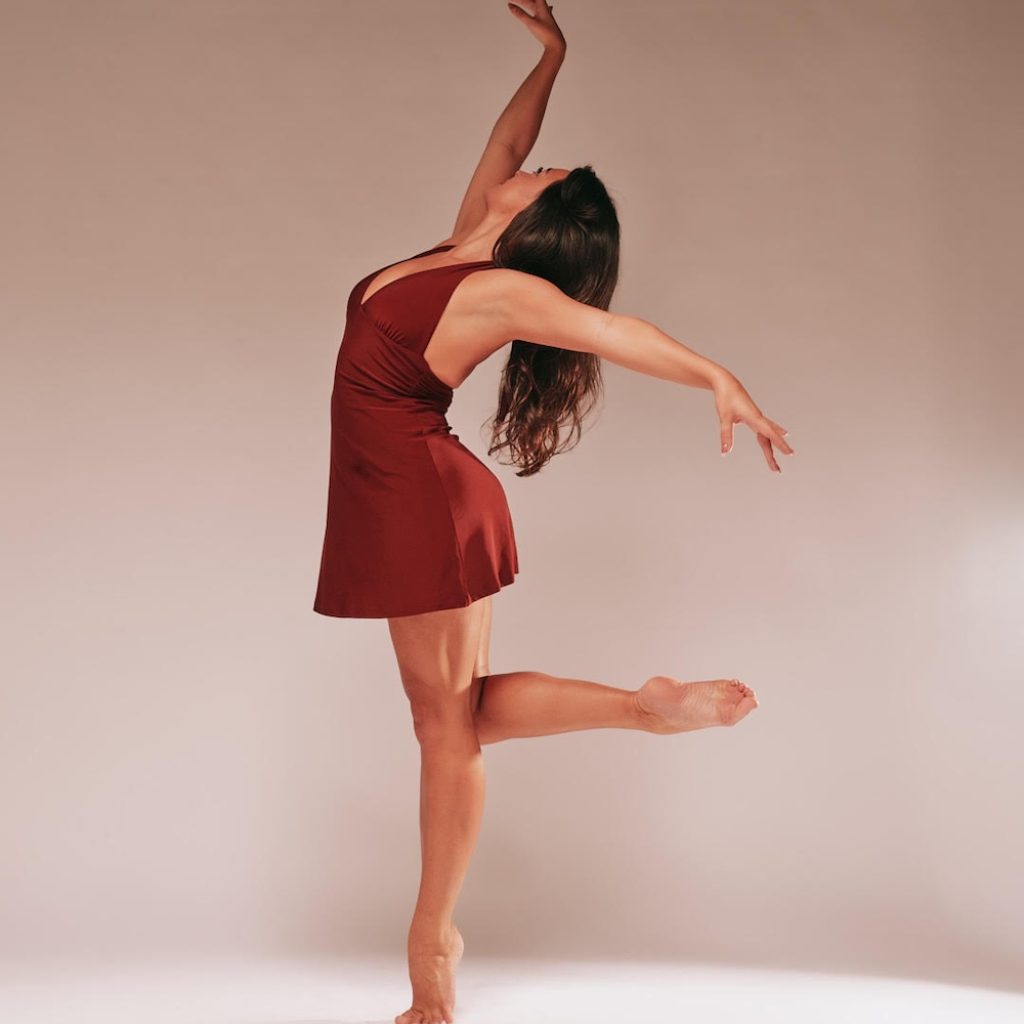
Now back on social media, she adds, “I posted this one TikTok about being stood up. I’d flown to Miami a day early [for rehearsals] so I could go on this date. But I’d been stood up, and then it turned out he had like 30 girlfriends. I posted about it as a joke, and it went a bit viral.”
Now, her accidental social media origin story, which wasn’t about strategy but about honesty, has resonated with her global dance following of 20,000+ Instagram followers and almost 18,000 TikTok followers.
Why do you think social media matters for dancers specifically?
“I don’t know whether it is unfortunate or not, but it is kind of necessary to have a good social media presence. If there’s someone in an audition room I like who’s done a really good audition but we’re not sure whether they fit, or if we need to see other skills, I’ll check their Instagram. Maybe they did a great across-the-floor and then messed up the contemporary combo. But if you look, maybe they have ten amazing videos of that style. It doesn’t necessarily mean they get the job, but at least you’ll remember them.”
By Jamie Body of Dance Informa.