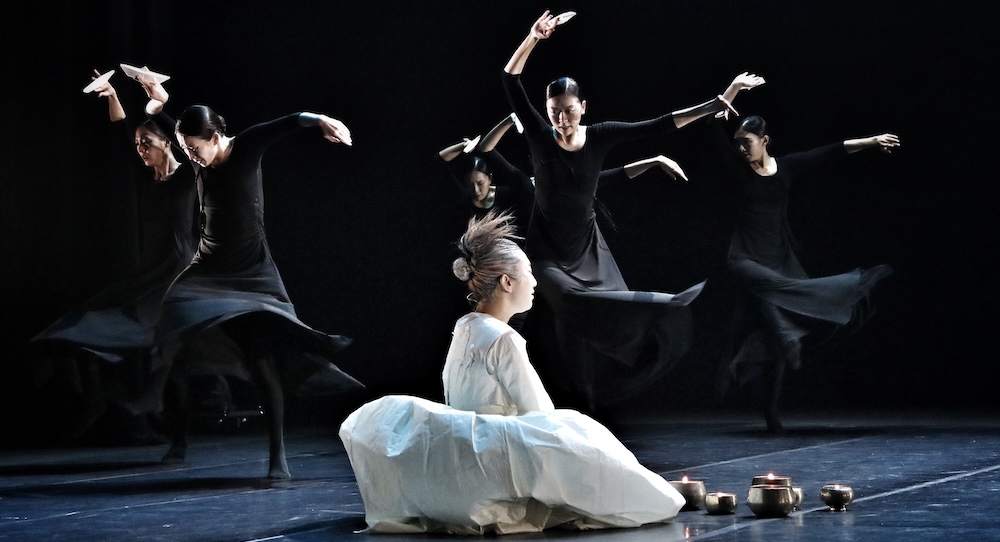
“By connecting with a culture that is less familiar to UK audiences, I think we offer an opportunity to see universal themes and ideas through a different lens, and to encourage empathy and connection between cultures,” says Christina Elliot, Head of Programming and Producing at The Place, London, ahead of the ninth year of A Festival of Korean Dance which will open simultaneously in London and Glasgow this Spring.
Be curious
“We are always delighted with the curiosity and enthusiasm with which audiences respond to A Festival of Korean Dance,” says Elliot. “Appreciation of and interest in Korean culture has been growing, as documented by the V&A’s influential Hallyu! The Korean Wave exhibition in 2022. While we know that this curiosity might lead audiences to the festival, we hope that they come away with a new and deep appreciation of the quality of Korean contemporary dance.”
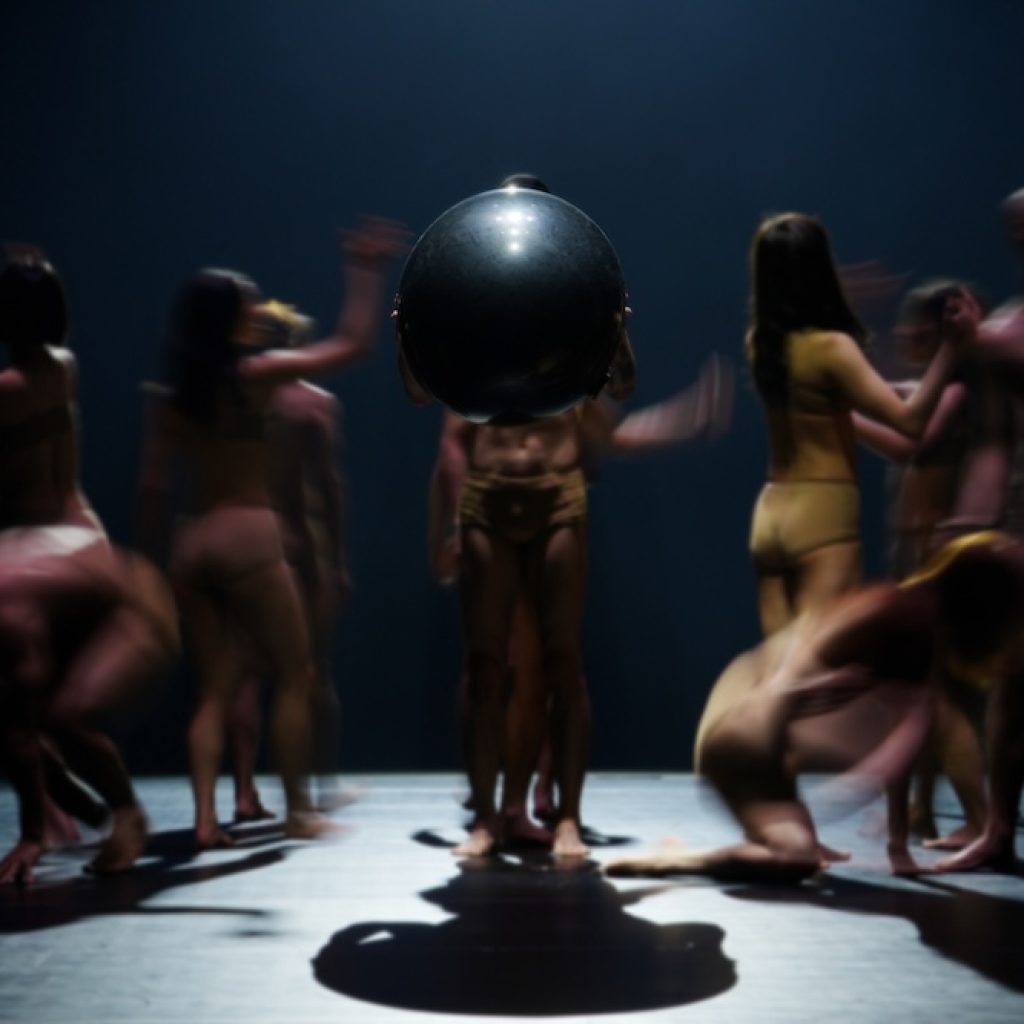
Suzanne Frost, Press and PR Manager at The Place, painted an exciting picture of previous Festivals of Korean Dance, saying, “The festival has really established itself on the contemporary dance circuit, both with audiences and with critics. One opening night we had a full house of national press; everyone was there and there was a real sense of buzz in the theatre.”
Companies and venues
Presented by the Korean Cultural Centre and The Place, after opening nights at The Place, London and Tramway, Glasgow on 13 May, the festival will continue through the month, travelling to the South West — at Pavilion Dance in Bournemouth, to Dance City in Newcastle and The Lowry in Salford.
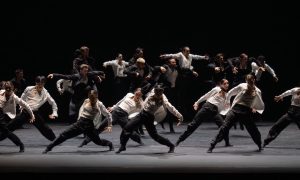
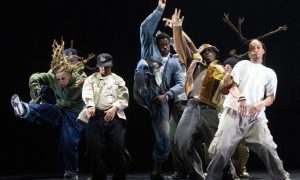
With different programmes scheduled for the various venues, audiences can expect richly emotive experiences performed by a selection of Korea’s premier dance companies including returning favourites, The Korean National Contemporary Dance Company (KNCDC). The company’s programme reflects on East Asian popular culture. Ryu and Friends, making their UK debut, imagine the stage as a universe of chaotic and harmonious matter. While 99 Art Company uses echoes of traditional music and movement to give their work a timeless quality.
Spiritual reflections
Descriptions of the dance works ahead of the festival convey very spiritual, reflective themes. Hye-rim Jang, Artistic Director of 99 Art Company and choreographer, talks about Burnt Offering, which premiered in London in 2024, and will return this year. The title refers to the burnt offering described in the Old Testament, something that is consumed entirely – goes up in smoke with nothing left behind. The stage will be clouded with incense during this work.
“While choreographing, I found myself focusing on the beauty I perceive in life, alongside the question: what constitutes true prayer in this era?” explains Jung. “The dancers sweating in the rehearsal studio, the student who greeted me with a smile whilst working late at the convenience store, the bent back of the grandmother collecting scrap paper… Though each lived in their own distinct sphere, the sight of them dedicating their wholehearted devotion to life brought tears to my eyes. I came to believe that burning one’s own effort, time, and energy towards life is true prayer, and I wanted to find a way to convey that fully on stage.”
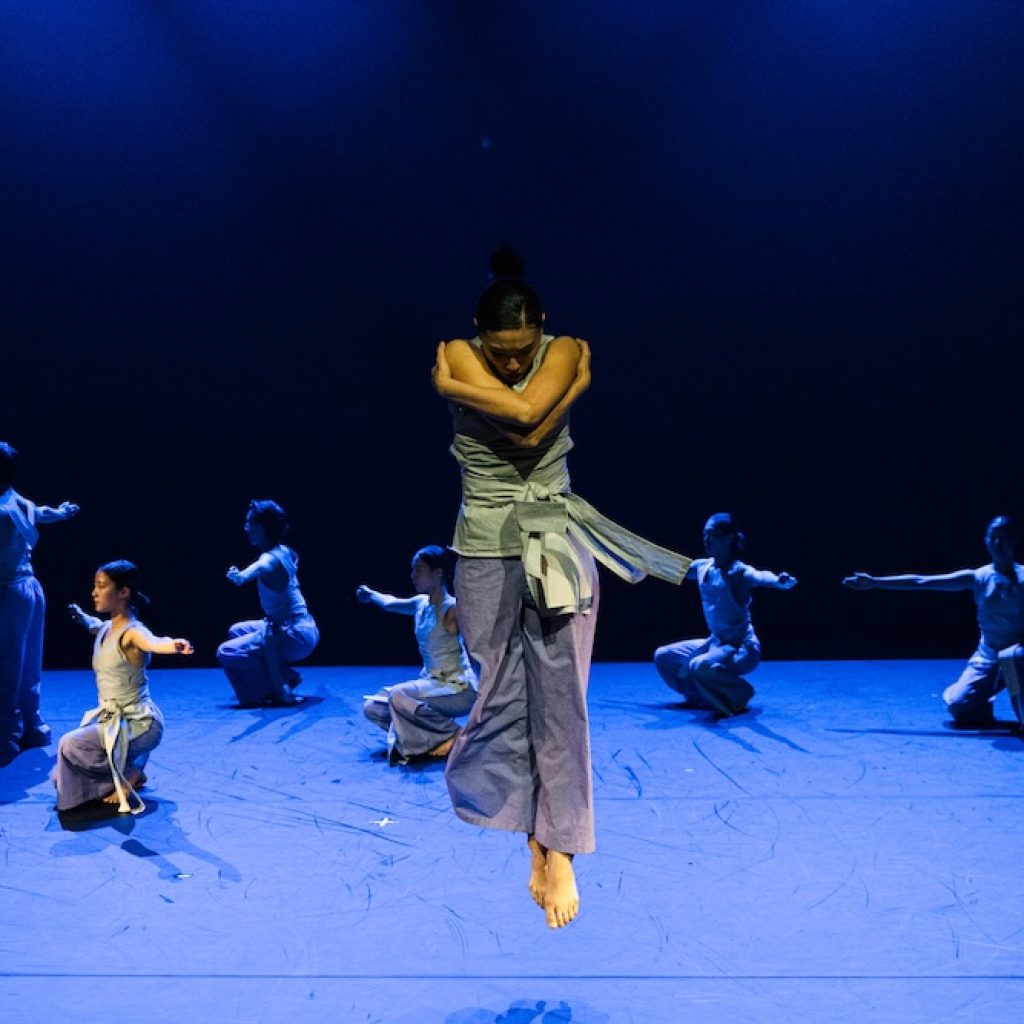
Jung describes the use of ‘Seungmu’ (an ancient Korean traditional dance) to convey this. “The dancer wears a white conical hat and a long robe, concealing much of the face and body. It is not a dance to be shown, but a dance that is seen. One must empty oneself, drawing energy from the deepest depths and channelling it to the fingertips for the long sleeves to be flung through the air. At the climax, the dancer approaches a drum placed to one side, withdraws hands from the robe, and strikes it. Practising this dance is akin to spiritual cultivation.”
The intense description creates a vivid picture as Jung continues, “On stage, for 60 minutes, everyone must live out their own life entirely within that space. Facing countless physically gruelling moments, feeling as though they are being consumed, they overcome those times by clasping hands with their fellow performers beside them, relying on and cheering each other on. Bodies that were once clean become soiled with charcoal dust, and bodies drenched in sweat transform into entirely different beings before and after the performance. Yet, the dancers and musicians all cherish and relish that time of being consumed.”
Choreographic techniques
Jung also choreographed Abyss, and details an interesting part of the rehearsal process, evoking Han 한 – a profound and deeply embedded Korean emotional state described as a collective, inherited, and internalized feeling of sorrow, regret, anger and longing.
“My focus came from a sense of curiosity, and I began connecting this feeling to experiences from my past,” Jung says. “In doing so, I discovered that Korea’s history, culture, dance, and music are all interconnected. Discussing this with the dancers, we each wrote about, shared, and choreographed the ‘han’ we experienced and felt. Some dancers found liberation through this act, while others found it difficult even to confront it. Whenever we stage this work, many audience members empathise deeply. It seems each person sees their own story reflected within it. After the premiere, one audience member came backstage, embraced me tightly, and expressed their gratitude. I believe the abyss is a place where we all share the sorrow that exists within us. I think the dancers play the role of creating that space.”
Ekah is a duet, also by 99 Art Company, between a female dancer and a male pianist, with music and dance created together. Jung offers insight to the choreographic process, saying, “Our initial conversation centred on variations of ‘sanjo,’ one of the genres of traditional Korean music. Seeing images of people dying in wars portrayed in the media, I felt a dread that my emotions might one day become numb. ‘Ekah’ stems from the feeling that, though we feel powerless because we can do nothing, we still gaze upon that place.”
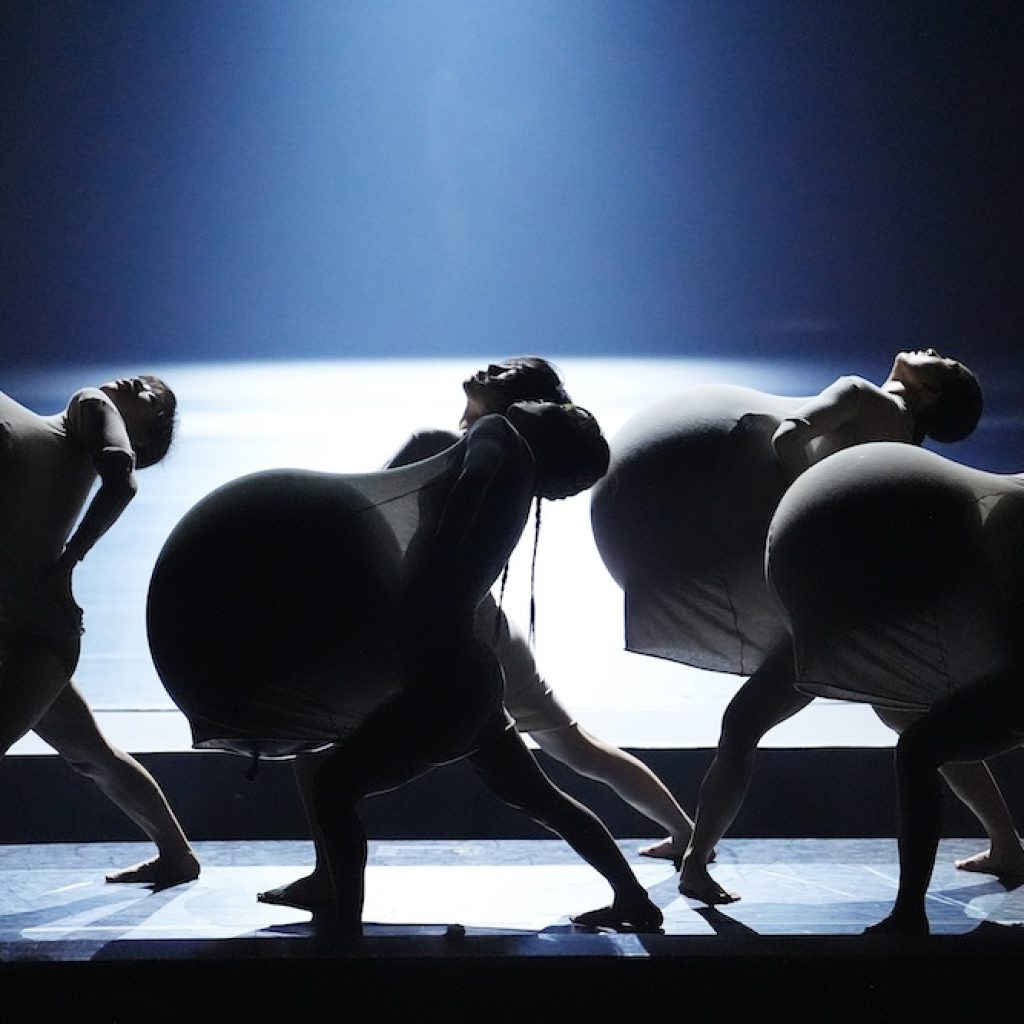
Director of Ryu and Friends and choreographer of Gravity, Jang-hyun Ryu reveals the work to be an exploration of the fundamental relationship between the Earth and human beings who stand on it.
“The rehearsal started with a very simple question: ‘What would happen to our bodies if gravity suddenly disappeared?’” Ryu describes how dancers experimented with different states of gravity during creation – surrendering their bodies to the floor or using each other as points of support, which gradually evolved into scenes and structures within the piece.
“Simply standing is already a continuous negotiation with gravity,” he says. “When dancers support or pull one another on stage, this physical law naturally transforms into human emotional layers such as trust, dependence, or even oppression.”
Ryu continues, “Dance is like an autobiography written with the body. While the choreographer builds the structure, the texture within it belongs to the dancers. One dancer may draw from the memory of burnout, creating movements that seem completely defeated by gravity. Another might express resilience through leaps that appear to resist it. Gravity can be seen as a force that binds us to the ground, yet at the same time it is what prevents us from drifting apart into space – it is both constraint and connection.”
Ready for the journey
These are insights to just a few of the intriguing works we will see on stage. The Festival of Korean Dance promises to take us on a powerfully intense journey, and perhaps we’ll have deep questions to ask of ourselves after the experience.
A Festival of Korean Dance runs from 13 – 30 May. For more information, visit kccuk.org.uk/en/programmes/koreandancefestival2026.
By Louise Ryrie of Dance Informa.