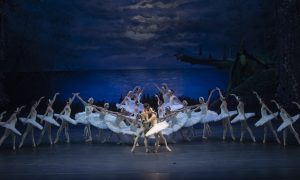
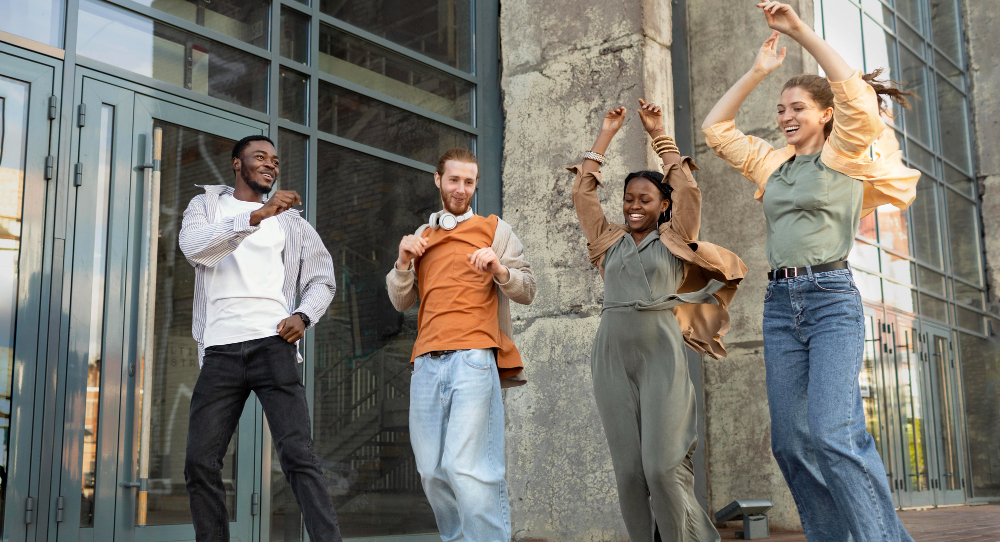
In a world where academic achievement and digital fluency often take center stage, emotional intelligence (EQ) is gaining recognition as a vital life skill – especially for children and teens. While schools work to foster empathy and communication through social-emotional learning programs, one of the most powerful tools for developing emotional intelligence may already be in your community: dance.
Dance is more than physical movement or performance – it’s an expressive art form that encourages self-awareness, empathy, social connection, and emotional regulation. When children and teens engage in regular dance training, they aren’t just learning choreography; they’re also developing key emotional competencies that will serve them for life.
Self-awareness through movement
At its core, emotional intelligence begins with self-awareness – the ability to recognise and understand one’s own emotions. Dance provides a nonverbal outlet where children can explore and express how they feel. Whether through an improvised solo or a structured lyrical routine, dancers learn to tune into the subtle shifts in their emotions and physical sensations.
For children who struggle to articulate their feelings with words, movement becomes a safe language. A contemporary piece might help a teen process grief or anxiety, while an upbeat jazz routine might lift a younger dancer’s spirits and help them reconnect with joy. This body-mind connection lays the groundwork for emotional insight and resilience.
Empathy and understanding others
Group dance classes and group choreography require dancers to move in sync, adapt to each other’s timing, and be attuned to spatial and emotional cues. These shared experiences naturally foster empathy – understanding what others are feeling and adjusting one’s behaviour accordingly.
Partner dances and ensemble work strengthen this ability, as dancers must sense the energy, mood, and needs of those around them to succeed. Teens, in particular, benefit from this collaborative environment, where empathy becomes essential, not just for performing well, but for building lasting, respectful relationships.
Emotional expression and creativity
Dance encourages healthy emotional expression. Unlike sports or academics, where emotions may be suppressed in the pursuit of results, dance invites students to use feelings as fuel for artistry. In doing so, they learn that emotions are not obstacles to be avoided but valuable sources of creativity.
Teachers who choreograph with intention often select music and themes that challenge students to explore a range of emotions, from vulnerability to empowerment. Over time, this exposure strengthens a dancer’s ability to recognise emotions in others and express their own in healthy, constructive ways.
Emotional regulation and confidence
Learning to dance isn’t easy. Students experience setbacks, corrections, auditions, and performance nerves. These challenges provide natural opportunities to build emotional regulation skills. A dancer who learns to manage frustration during rehearsal, or channel nervous energy into focus on stage, is developing composure and resilience.
Additionally, the structured nature of dance helps children feel grounded. As they grow in skill, they gain confidence not just in their dancing, but in their ability to navigate difficult emotions with grace.
Creating safe, supportive communities
Perhaps most importantly, dance studios can be emotionally safe spaces where children and teens feel seen, heard, and valued. A strong dance community provides mentorship, peer support, and positive role models. This nurturing environment fosters emotional growth, social connection, and a sense of belonging.
As dancers can all attest, dance offers much more than technique and stage presence, it’s a powerful vehicle for emotional growth. By promoting self-awareness, empathy, emotional expression, and resilience, dance helps shape emotionally intelligent young people who are not only better dancers, but also more compassionate, confident, and connected individuals. Whether your child is leaping across the stage or swaying to music in the living room, they’re learning far more than steps – they’re learning how to feel, understand, and connect.