Launched in 2025, the Biennial award, The Rose International Dance Prize, will return next year as part of a continued campaign to increase awareness of and support dance talent.
Made possible by a generous anonymous donation to Sadler’s Wells, the award celebrates new dance creations in any style, with an emphasis on choreography, distinctive style, and performance quality.
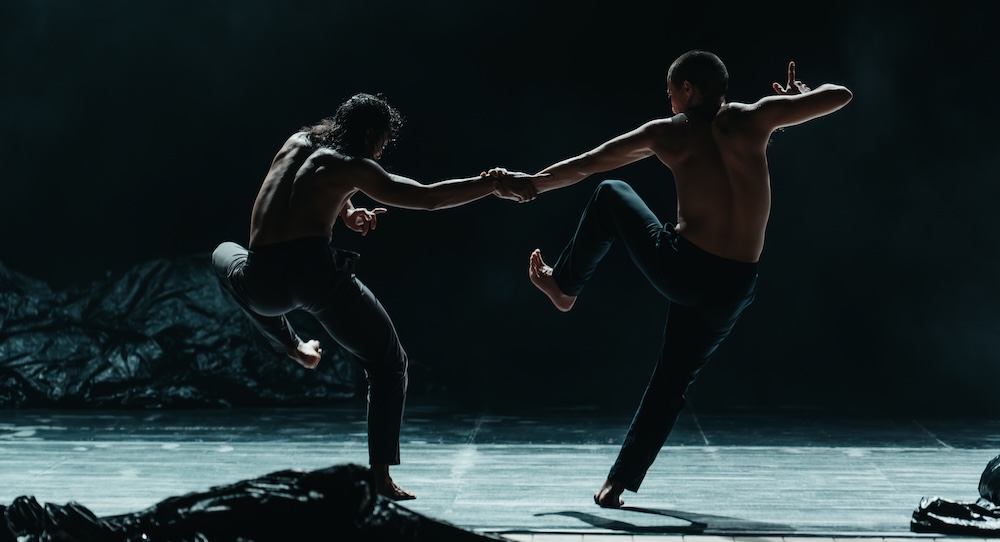
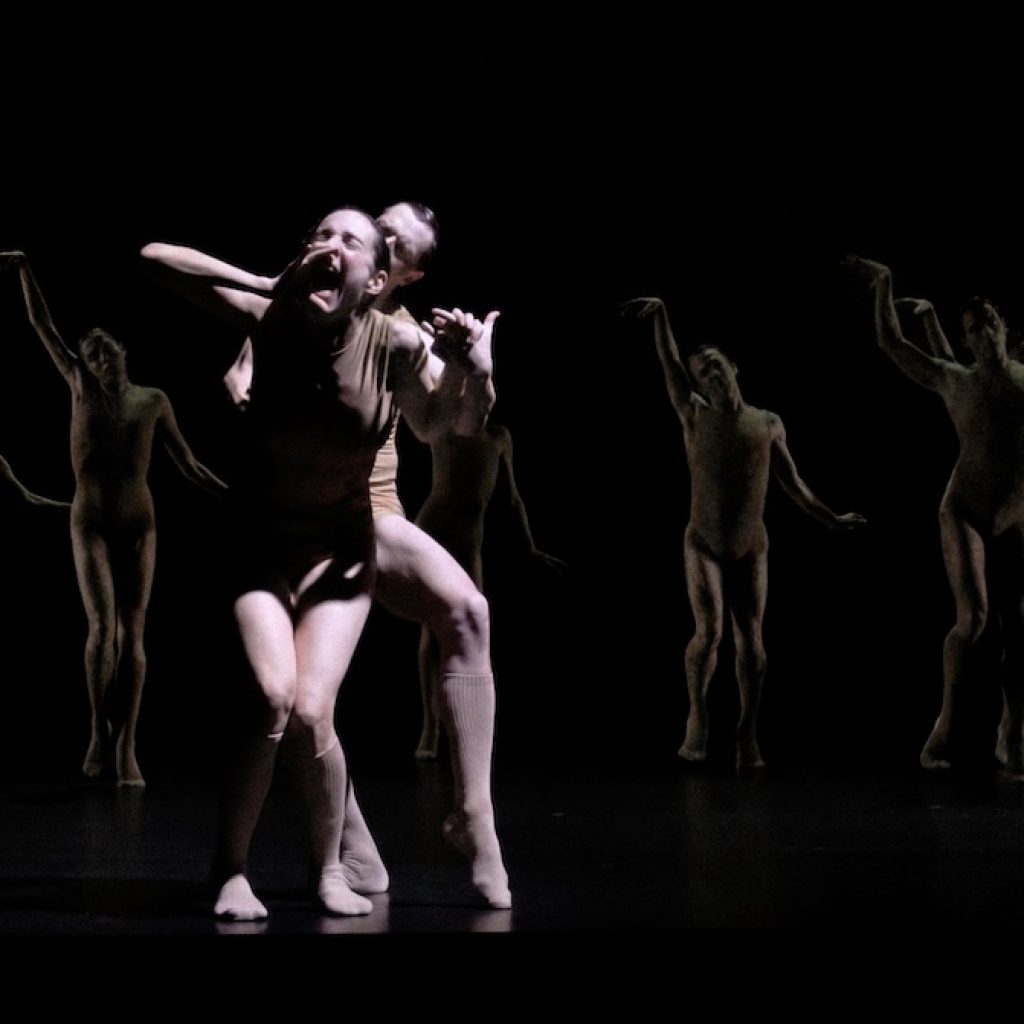
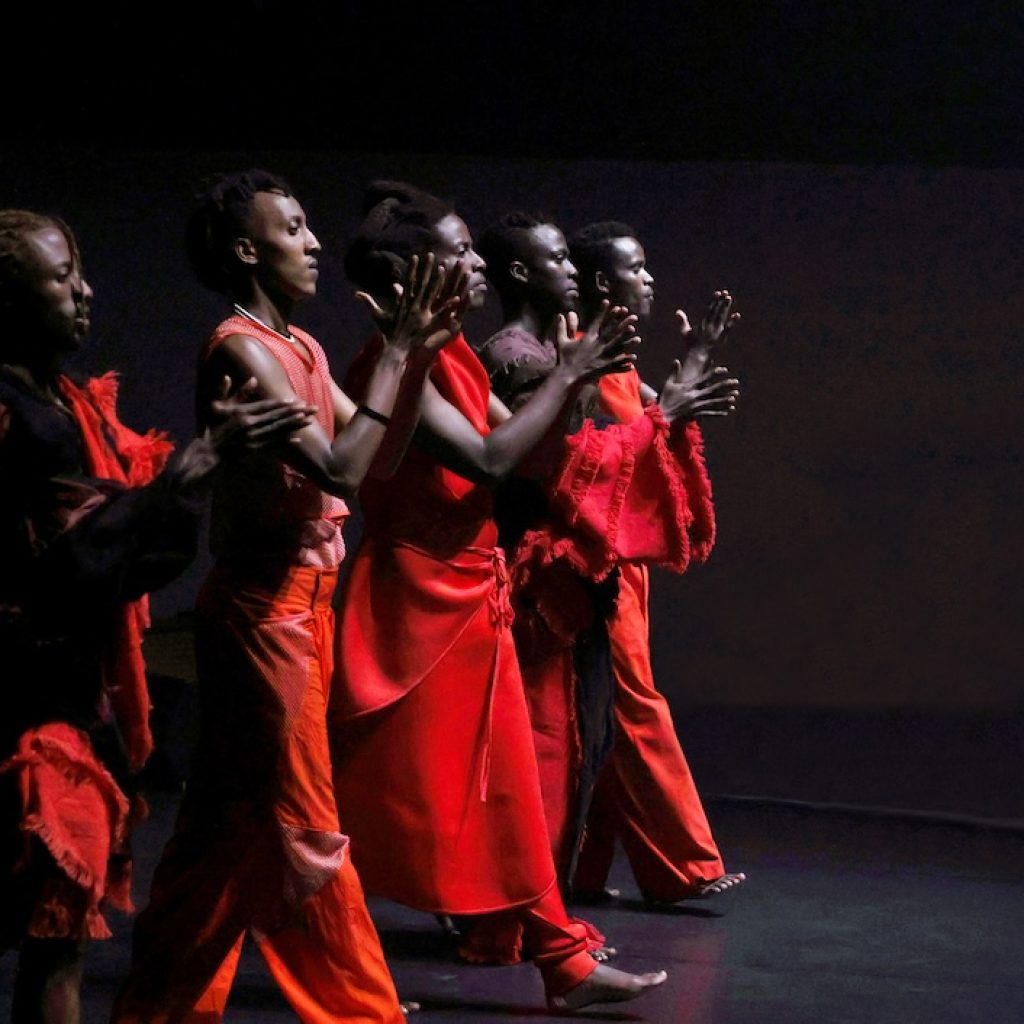
Following an extensive nomination process through 14 global nominators from seven regions, the shortlist for the Rose Award, which is for productions of a minimum duration of 55 minutes that can be presented at mid-to large-scale venues, comprises of 13 & 14 by TAO Dance Theater/Tao Ye (China), Lived Fiction by Stopgap Dance Company (UK), umuko by Dorothée Munyaneza/Cie Kadidi (Rwanda/UK/France) and Delay the Sadness by S-E-D/Sharon Eyal (France).
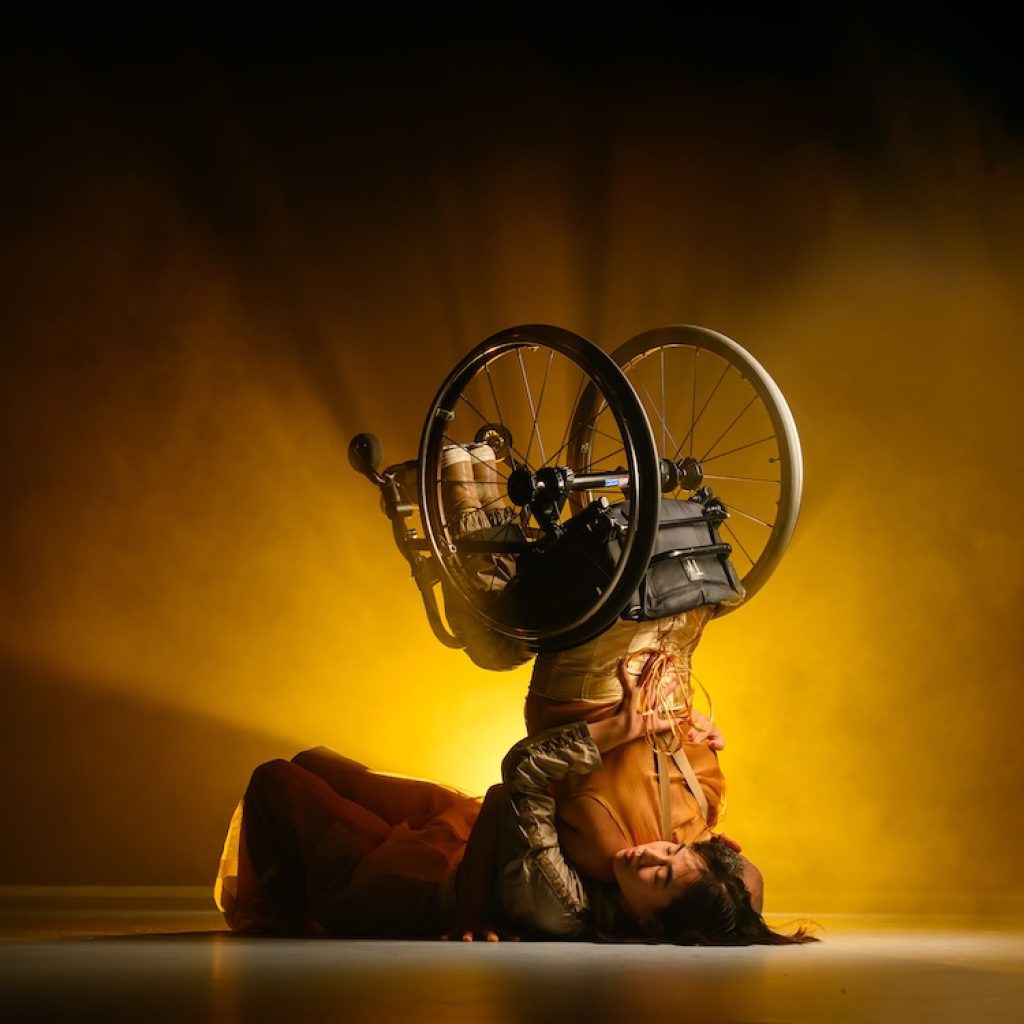
Three works have also been nominated for the Bloom Prize, for a production between 30-50 minutes and for choreographers with a maximum of 10 years of experience – IT’S THE END OF THE AMUSEMENT PHASE by Chara Kotsali (Greece), Islands by Wang Yeu-Kwn & Shimmering Production (Taiwan) and Repertório N.3 by Davi Pontes & Wallace Ferreira (Brazil).
Between January 26 and February 6, 2027, the nominated works for the Rose Prize will receive public performances at either Sadler’s Wells Theatre in Angel or Sadler’s Wells East in Stratford, and the Bloom Prize works will receive public performances in the Lilian Baylis Studio at Sadler’s Wells Angel and the Martha Graham Studio at Sadler’s Wells East.
The winners will be revealed at the ceremony on February 6th in an event Sir Alistair Spalding CBE, Artistic Director and Co-Chief Executive of Sadler’s Wells, timely refers to as being “like the World Cup for dance,” and that it “demonstrates that groundbreaking work of the highest calibre is being produced in all corners of the world.”
He continues, “There’s still a job to be done to bring it into the public consciousness a bit because we’re very theatre and musicals orientated. And so one of the aims of this is to broaden the appeal of what we do because obviously, yes, we’re running Sadler’s Wells, it’s going very well, we’ve got all of the companies coming. But, you know, in the bigger world, we’re still seen as a bit sort of on the edge, which I like, actually, but not on the edge in terms of funding and all of the things to support this sector. So it’s really about magnifying, amplifying what we’re doing. And that seems to be working.”
Spalding adds, “What it means is that dance has to be international in order for it to survive. It has to move around the world, if you like. And that’s the beauty of it. And it’s also why this competition is so relevant, because these are people who are used to travelling, bringing their work to a different culture and talking to us about what the issues are in Portugal or in Taiwan, wherever the companies are coming from.”
In a world where discoverability is more and more essential, being nominated can also help elevate a choreographer.
“I was at a dance festival in Amsterdam just recently,” Spalding shares. “And on the advertising for the show, which was this show, an ITA show that’s coming as part of the prize, it says ‘shortlisted for the Rose International Dance Prize’ on the front of the poster, right? So it’s like saying, ‘Come to this because look, it’s been given this kind of accreditation.’”
Spalding hopes the work Sadler’s Wells programmes and the showcase of the competition will be an inspiration to aspiring dancers and appeal to dance lovers. “One thing is to learn it [dance] to go on and be a professional, but it’s like anything else, like learning to play the piano. You don’t have to be a concert pianist. It can be part of your life, and dance can be part of your life going forward. And so I think the current government is seeing now how important all the arts are in the education system. And dance has really dropped off the GCSE and A levels. You really can’t do it. So we’re now on a campaign to get it all back. And that’s going to take a little while. But that’s where children have their first experience of most things. And so we need to get it back in schools. Because then everybody who goes to school, which is more or less everyone, will have some experience of it. And they can decide they don’t like it or they don’t want to do it. But at least they have the opportunity to know what it is.”
The winner of the Rose Prize will be awarded £40,000, with £15,000 awarded to the winner of the Bloom Prize.
Christos Papadopoulos won the inaugural Rose Prize in 2025 for LARSEN C, and Stav Struz Boutrous won the Bloom Prize for Sepia.
On winning last year, Papadopoulos says, “For the audience, it’s just an announcement, but for us it has been a big process. It’s been an unbelievable journey, and actually getting to the four to present the work in Sadler’s Wells was a great honour.”
He adds, “In times like this, when everything seems to be falling apart around us, that this prize is bringing the focus back to art and dance is actually, I feel, quite brave nowadays.”
Part of the prize fund helped Papadopoulos create his new work, My Fierce Ignorant Step, which will be performed at Sadler’s Wells this November, and as a champion for his ensemble and to show his appreciation for his dancers, he also “gave a prize to all the dancers and to all the creative team, a part of a share of this award.”
He adds, “I’m privileged to have this amazing company and these exceptional dancers that we’ve been in this journey with many of them since the beginning. I want to in every opportunity to praise them… it’s not my personal journey, but it’s a journey of the company.”
The winners will be decided by an esteemed jury, chaired by Anita van Dolen, Artistic Director of Julidans Festival and dance programmer at Internationaal Theater Amsterdam (ITA). Full details on the jury panel will be announced in the autumn.
By Jamie Body of Dance Informa.