Stepping into the spotlight as a performer is second nature for many students at The Royal Ballet School. Stepping behind the scenes as a choreographer, however, presents an entirely different challenge.
The Ursula Moreton Emerging Choreographer programme gives students the opportunity to do exactly that, encouraging them to create original works and lead fellow student dancers in bringing their artistic visions to life. Named in honour of former School director Ursula Moreton, the initiative nurtures creativity, leadership and collaboration while giving young dancers an exciting introduction to the art of choreography.
This year’s participants embraced the opportunity with imagination and ambition, creating works that explored everything from environmental themes to abstract concepts and personal storytelling. Dance Informa’s Editor-in-Chief, Deborah Searle, was blessed enough to witness the students’ work presented on a beautiful sunny afternoon in March at White Lodge.
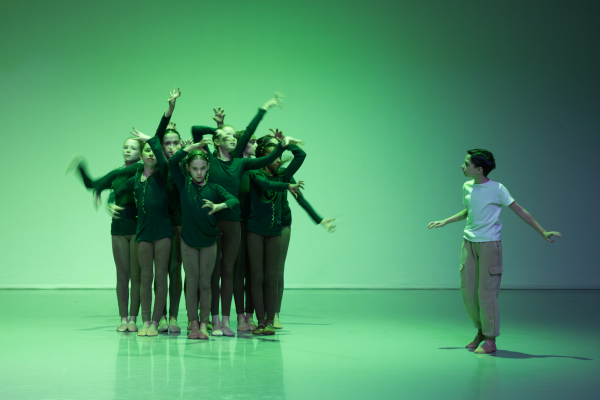
For Year 7 student William, choreography became a way to explore the wonders of the natural world. His piece, Explorer, followed a boy who became lost in a forest and gradually discovered how nature grows, changes and renews itself.
“At first, he is scared but then he begins to notice how everything grows, changes and has a purpose,” William explained. “By watching this, he discovers the way of the world – how life continues through cycles of change.”
Inspired by a tree at White Lodge and the changing seasons, as well as the mystery of the Amazon rainforest, William’s choreography encouraged audiences to see nature through a sense of wonder.
“There may be magical things that are yet to be found,” he said.
Seeing that vision come to life on stage was a memorable moment.
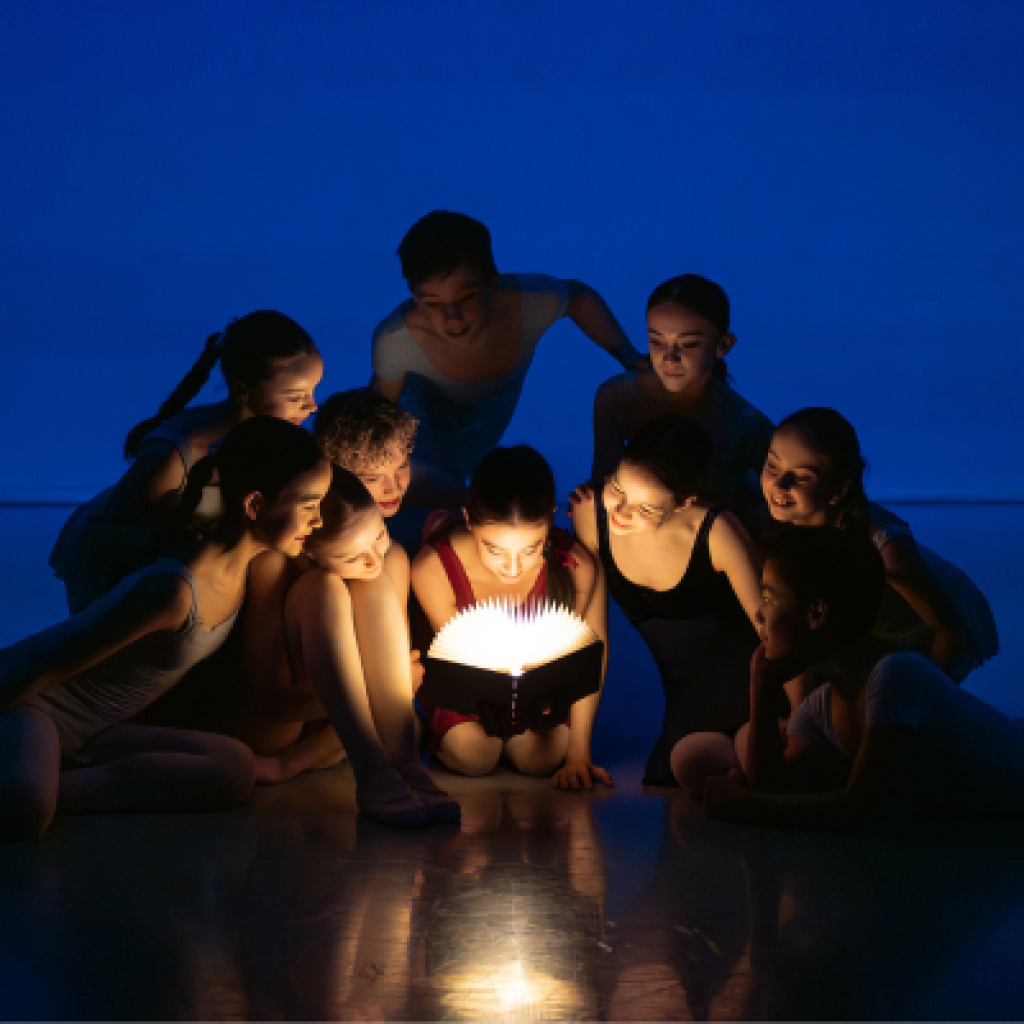
“It felt very joyful and surreal to see my piece come to life,” William reflected. “I’m so incredibly grateful with the team that helped me with my choreography, and also my dancers for their commitment to my piece.”
While audiences saw polished. enthusiastic performances, the students quickly learned that choreography is a process of experimentation, adaptation and problem-solving.
For Year 8 student Rosie, one of the biggest challenges was creating movement that suited each dancer while maintaining the integrity of the work.
“My greatest challenge was adapting the choreography to suit my dancers’ individual strengths,” she said. “I wanted everyone to feel confident in what they were doing while still making the piece work as a whole.”
Presenting her choreography to an audience also required courage.
“At first, I felt very nervous and scared because I wasn’t sure how people would react to my choreography,” Rosie admitted. “However, once I saw it being performed and realised how much hard work had gone into it, I gradually grew in confidence and felt really proud to share it with everyone.”
Year 8 student Felicity discovered that flexibility was one of the most important skills a choreographer can possess.
“I found my greatest challenge was learning that choreography is very much a work in progress and not to be too rigid in my initial ideas for pattern and movement,” she explained. “Use this as a strong basis but be flexible and work collaboratively with your dancers in the studio. I found this was when the magic happened.”
Watching her work resonate with audiences proved particularly rewarding.
“I felt a huge amount of pride seeing my vision brought to life on stage,” she said. “I loved seeing how my piece prompted an emotional reaction from the audience. Dance can often say things so much more eloquently than words.”
The importance of collaboration emerged as a recurring theme throughout the programme. Students quickly realised that successful choreography depends not only on creative ideas but also on communication and teamwork.
William identified “getting my dancers to understand my vision and the moves to represent the theme” as his biggest challenge, while Year 9 student Cam Hall found that creative obstacles were often overcome through collaboration.
“My greatest challenge was experiencing a brain block and I couldn’t think of how to carry on,” Cam said. “I was helped by setting some creative tasks, and with help from peers and my teacher, the final result came together.”
Year 9 student Mirabelle Hogan faced the challenge of choreographing for a large cast, using her entire year group in her piece.
“The biggest challenge I faced with my choreography was ensuring it still appeared tidy when using a large group,” she explained. “Making sure everyone knew exactly what they were doing was important, and challenging considering certain time restraints.”
Seeing the finished work performed made the effort worthwhile.
“I felt very proud of my choreography being presented in front of an audience, especially after the many rehearsals spent cleaning and tidying,” Mirabelle said. “I also felt very proud of my dancers for putting so much effort and energy into my choreography, and bringing my vision to life.”
Despite the many rehearsals and challenges, the students all spoke about the support they received from fellow dancers and teachers, reinforcing the collaborative spirit at the heart of the programme.
“It was a nerve-racking experience at the start, but everyone was supportive and made the whole experience very collaborative,” Cam said.
Beyond the finished performances, the experience provided valuable lessons that students believe will influence their future careers in dance.
Rosie learned the importance of trusting her instincts.
“I learned that choreography takes patience, creativity and problem-solving,” she said. “Most importantly, I learned that it takes time to trust yourself and your ideas.”
For William, the process highlighted the persistence required to transform an idea into a performance.
“I learnt that it takes time and effort with your dancers to really embody what I want in my choreography,” he said.
Mirabelle found that choreographing strengthened skills she can use throughout her training.
“I have also learnt how to manage my time more effectively, and balance teaching material [with time for] cleaning better,” she said.
The experience has also inspired many students to continue creating. Rosie hopes to explore new themes while continuing to use dance as a storytelling medium, while Cam is eager to delve further into contemporary and abstract choreography.
Felicity’s ambitions extend even further.
“My dream is to first and foremost have a professional career as a dancer,” she said. “But I hope once the time comes to hang up my pointe shoes I have the opportunity to teach and choreograph for leading companies.”
For Felicity, one of the greatest discoveries was realising that artistic fulfilment can come from creating opportunities for others.
“This experience has taught me that whilst I love the thrill of performing myself, you can feel a great deal of accomplishment and pride by standing back as a creative and providing others with an opportunity to shine,” she said.
As the Ursula Moreton Emerging Choreographer programme continues to nurture young talent, it is clear that students are gaining far more than choreography credits. They are learning how to lead, communicate, collaborate and express ideas through movement. These are all skills that will serve them well whether they pursue careers as performers, choreographers or both.
Most importantly, they are discovering that their creative voices matter, and that even at a young age they have meaningful stories to tell through dance. Congratulations to all the budding young choreographers involved.
By Deborah Searle of Dance Informa.