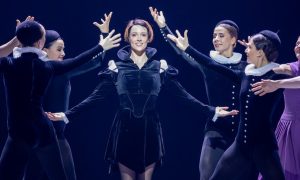
To sustain the continually evolving future of our beloved ballet world, we must reach out and inspire each new generation of dancers, and dance audiences, many of whom won’t necessarily have even heard of ballet yet. We can’t make choices if we haven’t seen!
And what better way of doing that than taking a country-wide tour with a timeless classic: Cinderella, adapted especially for young audiences, and performed by students of the English National Ballet School and graduate artists.
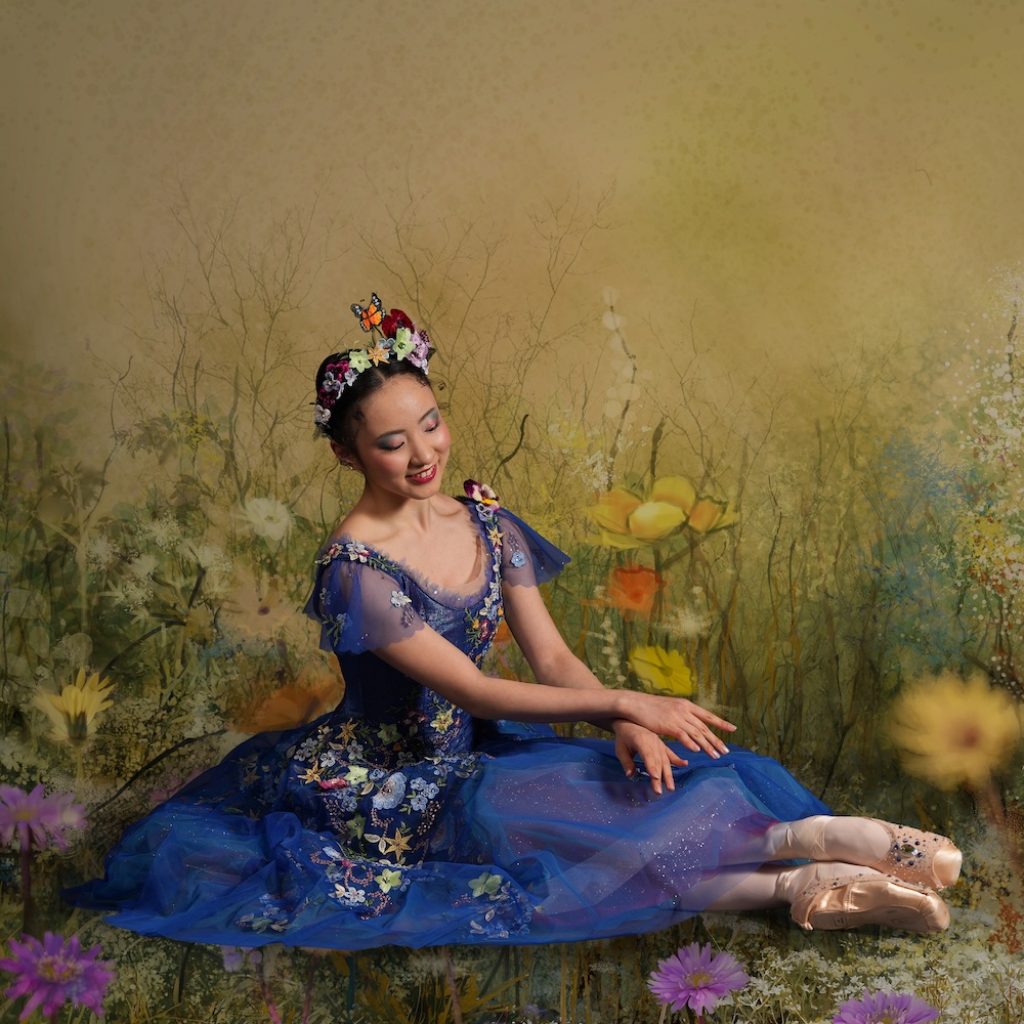
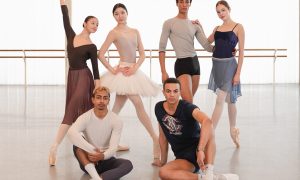
Dancer Lucinda Paykel, from English National Ballet School’s Graduate Artists Programme (GAP), will be dancing in My First Ballet: Cinderella this spring and tells Dance Informa, “I still remember the first ballet I watched as a child and how mesmerised I was during the performance and afterwards, so it would be amazing for our young audience to feel the same way. This is a chance for us to introduce children to ballet and to provide a reminder that ballet is well and truly alive and thriving.”
The My First Ballet series is a partnership between English National Ballet (ENB) and English National Ballet School. It provides an invaluable opportunity for students and participants of the school’s Graduate Artists Programme to gain professional stage experience. For young dancers at the beginning of their careers, getting performance experience is vital. ENB Artistic Director Aaron S. Watkin speaks of this important insight into the rhythm of professional touring: “They are not only developing as artists; they are also helping to introduce ballet to a whole new generation of young people, nurturing future dancers and audiences.”
He discusses how the format of My First Ballet: Cinderella is the perfect introduction to the artform. As a shorter version of the classic story and featuring a narrator to guide audiences, there are some humorous touches for adults attending, too. “We want the experience to feel magical, accessible and welcoming for families,” says Watkin. “That means ensuring the production can travel easily between venues, with sets and costumes that are inspiring and engaging, while also practical to install and adapt across different theatres.”
Upon asking Rachael Canning how knowing the set needed to tour had affected her designs for it, she explains, “We’ve used cloths and portal flats to create the space with a few moving pieces of set, which are a suggestion of a cottage that we use in multiple ways, reusing them for different locations. Playing with scale to create the castle and simplifying the pumpkin carriage so that all the parts can separate and move independently, all helps towards touring the set and props. I find sometimes having challenges like this inspires more creative ways to solve the problem, and it often turns out to be a much better idea.”
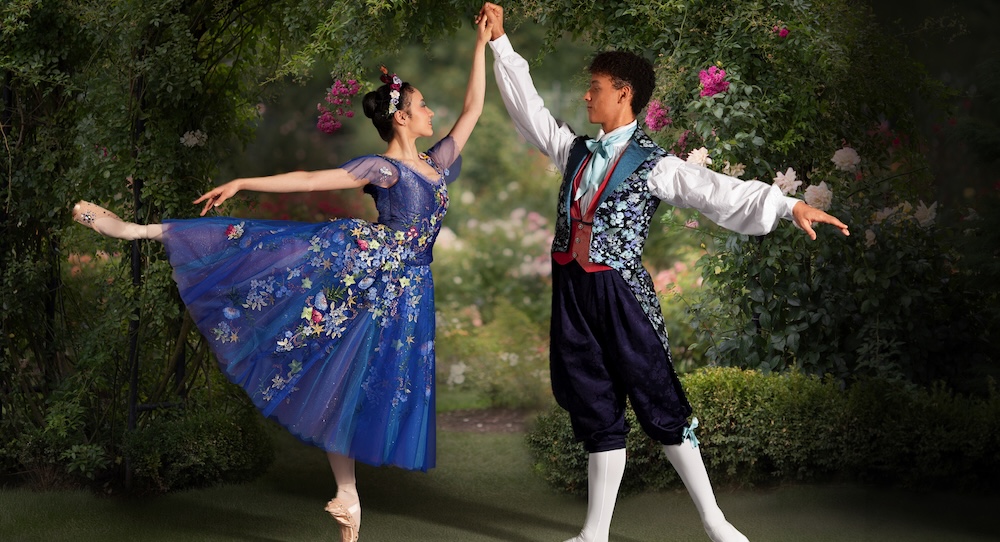
With children’s hearts and minds at the forefront all the way through this thoughtful reworking of Cinderella, Canning offers intriguing insight into her work as designer, of both the set as well as magical and colourful costumes for the production. “Creating a set design for young children is about stimulating their imagination, curiosity, and sense of play,” she says. “Cinderella is a beautiful fairytale which has lots of visual treats to inspire the whole family, including flying birds, fairies, magical pumpkins, and it’s all a joy to design. I’ve aimed to combine a magical garden with an illustrated storybook feel, with costumes which are full of character, texture and colour. The result is a family ballet which is elegant, witty and fun.”
The magical fairytale feels almost tangible just hearing the descriptions. George Williamson, choreographer for My First Ballet: Cinderella, adds, “Nature is threaded throughout the production and becomes central to the storytelling. I think it provides a metaphor children instinctively understand. Things grow when they are cared for and struggle when neglected, which mirrors Cinderella’s own journey of kindness and resilience. That idea also shaped the choreography. For example, in our version, the seasons appear as animals from the forest, so the movement can evoke both an abstract idea like summer or winter and the movements of a specific creature such as a deer or an owl. It is exciting for children to see how movement can communicate in that way. It is actually what made me fall in love with dance when I was young, so it has been really joyful to explore that world again in this ballet.”
The consideration of what made dancers and creatives fall in love with ballet as children is very touching, and poignant as they endeavour to provide similar experiences for today’s young audiences. Williamson reveals that, through the choreography, he wanted to create a world that felt vivid and full of life, noting the importance of moving through the narrative, rather than stopping for mime and then continuing with the dance. Though a narrator speaks in time to highlight key moments on the stage, he explains, “I try to avoid over-explaining and allow moments where the movement simply carries the emotion and meaning. It is always a balancing act, but the aim is to let the dance remain at the heart of the storytelling.”
To whet audience’s appetites, Williamson gives a nod to look out for the Stepfamily, who bring plenty of comedy, especially during their chaotic dance lesson and their attempts to impress the Prince at the ball! “There is also a very magical sequence when the Fairy Godmother casts her spell, and Cinderella is transformed with the help of the Scarecrow and the animals of the forest,” he discloses. “And the moment Cinderella and the Prince meet in the garden is very special, quiet and full of wonder. I hope those contrasts between comedy, magic and romance are what make the world of the ballet feel so fun to experience.”
Paykel is looking forward to opening night, with the hard work from all involved – dancers, choreographers, technical and costume team – all finally coming together. “It truly is the most rewarding feeling,” she says. “I’ll definitely be nervous but also so excited!”
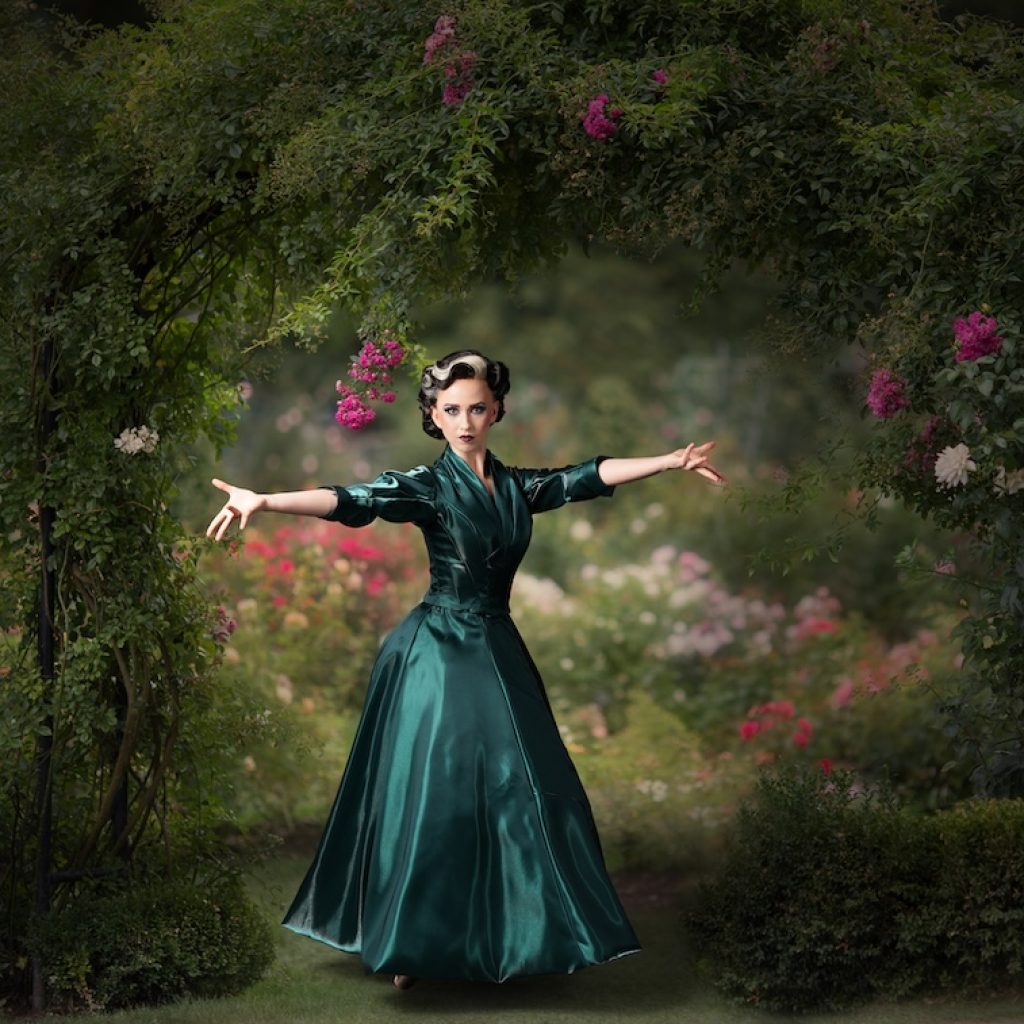
When asked about what she would have liked best about this production if she had watched it when she was little, Paykel shares, “I would say the range of characters. They each have such individual personalities, and these really shine through in the dancing and acting. The costumes are incredible, the design and work that has gone into them by the costume department help bring these characters to life, and I’m sure the audience are going to love them.”
A final note from Paykel, who is hoping that the audience will leave the theatre feeling really inspired by the art form, with a new appreciation for ballet: “Our message is to show children how important kindness is to all – not just people but nature as well.”
Touring nationally between 28 March and 31 May, My First Ballet: Cinderella begins the magical journey at New Victoria Theatre, Woking (28-29 March); moving to the Peacock Theatre in London between 2-11 April. There, there will also be a Relaxed Performance, a BSL interpreted performance and a Touch Tour before the final show on 11th April, which will be audio-described, ensuring a wonderful range of accessibility.
The pumpkin carriage will then continue on its way to Lighthouse, Poole (18-19 April), Grand Opera House in York (9-10 May), Wyvern Theatre, Swindon (23-24 May), before completing its journey at Newcastle Theatre Royal on 30 and 31 May.
For tickets and more information, visit www.ballet.org.uk/production/my-first-ballet-cinderella.
By Louise Ryrie of Dance Informa.