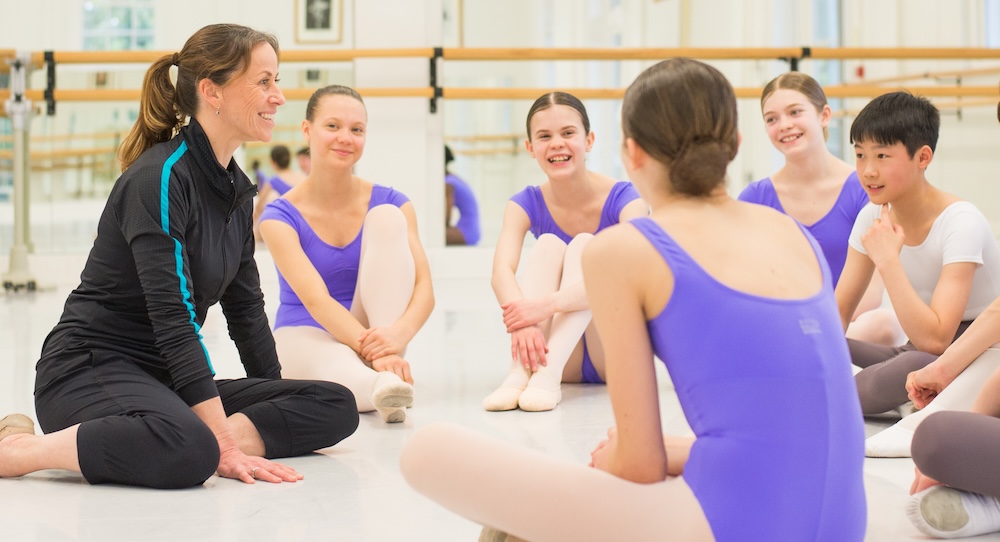
Traditional syllabus and examination systems provide crucial structure and technical benchmarks, but are teachers missing a trick by narrowing the experience to simply passing tests? The Royal Ballet School’s Affiliate Programme aims to rectify this by offering an approach that places artistry, pedagogy and creativity at its heart. With applications for their 2026 intake now open until 13 April, Dance Informa speaks to current Affiliate teachers about how the programme has helped shape their teaching and brought a more holistic approach into their schools.
A fresh approach to teaching
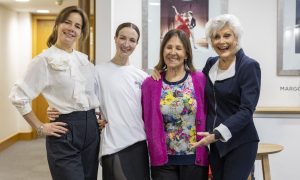
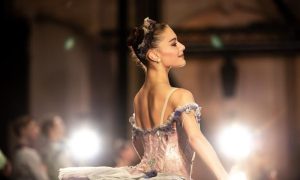
Isabella Gasparini, Royal Ballet First Soloist, understands better than most the value of a more holistic approach. She credits her early training at her mother’s recreational dance school in Brazil for instilling a lifelong love of dance. “Nurturing love and appreciation for this art form should be at the heart of any dance teaching programme. There seems to be a focus on technical skills and physical abilities when, in reality, dancing is so much more than that. It shouldn’t be just about learning steps and vocabulary. Dance is about expression and learning skills for life.”
Now in its fourth year, The Royal Ballet School’s Affiliate Programme offers an innovative alternative to syllabus-based models. The programme equips and empowers dance teachers to guide, assess, and support students in learning how to enjoy and value the journey. The four-pillar framework, which focuses on ballet vocabulary, creative practice, repertoire study and body conditioning, encourages autonomy and artistic freedom, offering structure without too much rigidity.
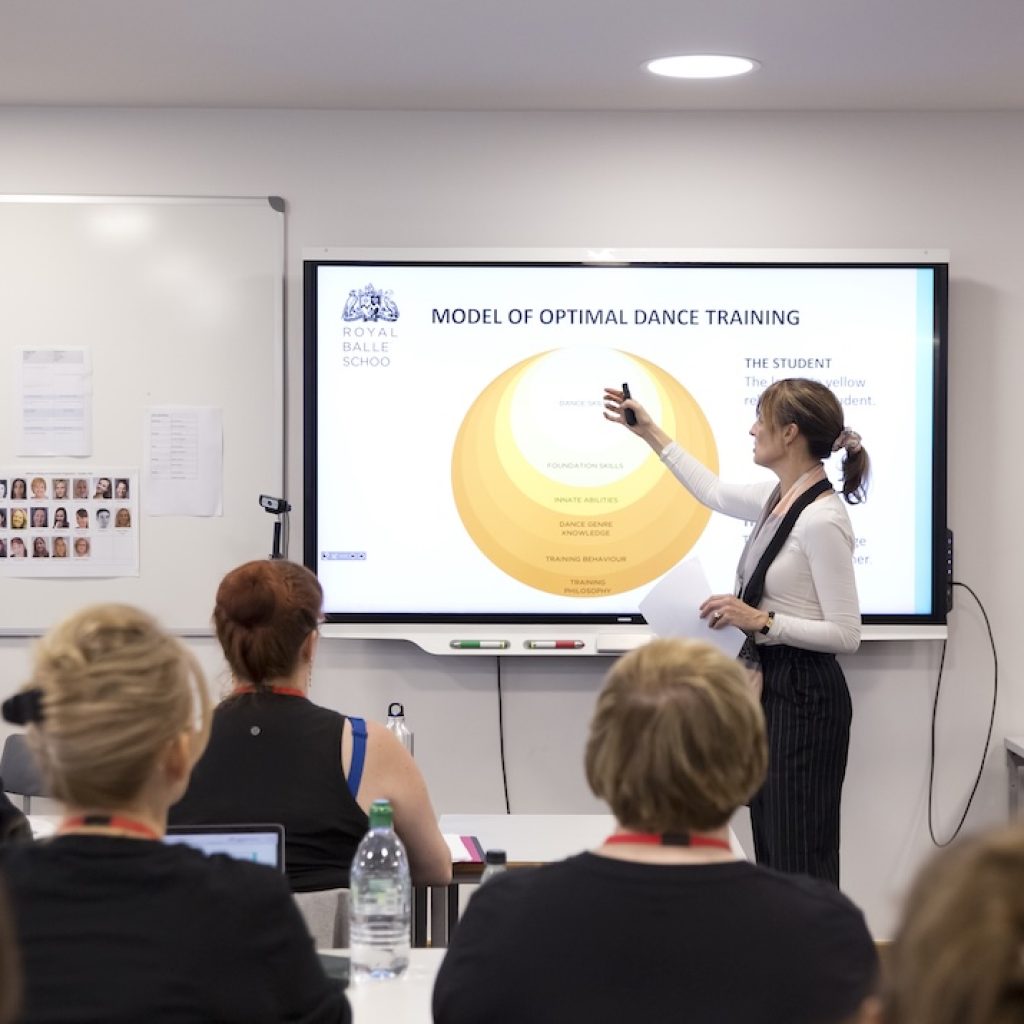
For Hannah Risbridger, Principal of Cygnets to Swans, the programme offered exactly what she had been looking for. “I was thrilled when I first saw the launch of the Affiliate Programme, as I was a bit lost as to which direction I wanted to take my young school — syllabus with exams or free work. I felt the industry needed a refresh and an evolution. The programme offers exactly this, with the best of both worlds; it provides a framework and structured assessments, whilst also giving the teachers complete autonomy in how they teach. I also love the focus on pedagogy, which is taught so brilliantly by Karen Berry,” she adds, “it has completely changed the way I teach.”
The path to more confident and creative students
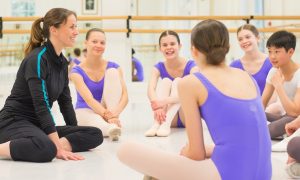
Moving away from rigid examination cycles can help young dancers explore ballet as a living, creative art form. Freelance teacher Maddy Jacques has found that “the programme brings out the best in every student, from those who attend once a week purely for enjoyment, to the more dedicated and ambitious dancers. The inclusion of repertoire and creative practice has been particularly successful. My students greatly value the opportunity to create their own work; it deepens their understanding of why they are learning specific steps and movements.”
Emma Manes, who teaches at Bede’s Legat Dance Academy, describes the experiences as “transformative”. “By moving away from rigid examination cycles, the programme encourages students to explore the wider theatrical context — choreography, composition and design — turning them into well-rounded, autonomous artists and informed future audiences,” she says. This immersive approach to integrating creative and technical disciplines means that “the programme does more than teach dance; it opens a doorway to a multitude of career paths within the theatre, empowering the next generation of performers, designers, and innovators.”
Professional development and community
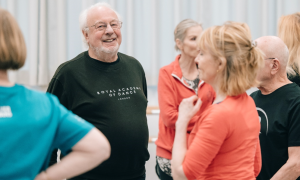
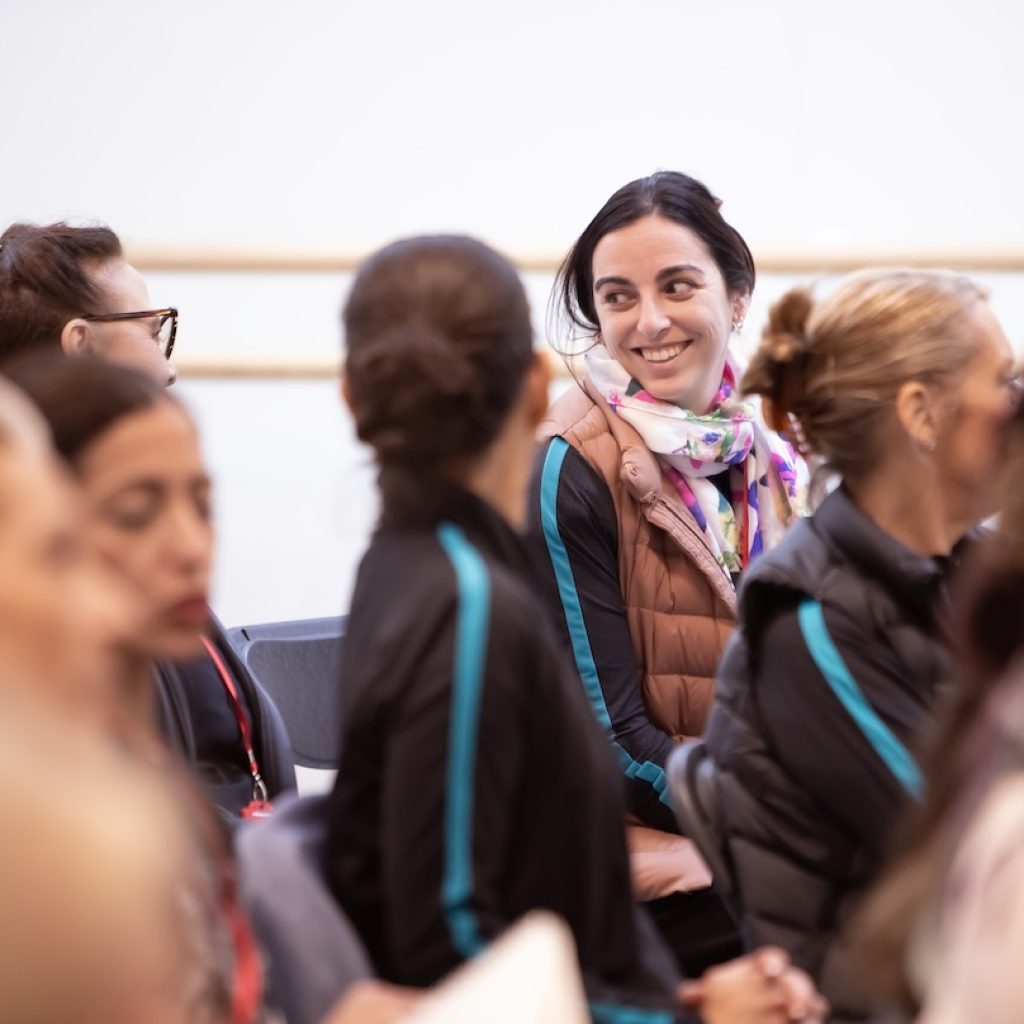
Both pathways also offer teachers a meaningful space for growth and a sense of community. Even with 49 years of teaching under her belt, Julia Barry, founder of Enhance Dance and Pilates in Australia, describes the training as a valuable opportunity to review and develop teaching skills. “It was a very supportive environment within the training week, and I very much enjoyed meeting colleagues from different parts of the world and discussing teaching concepts with them and the Affiliate Programme staff,” she says. “It was also reassuring to have the sense of ‘being on the right track,’ as well as having opportunities to look at different points of view and expand my knowledge base,” she explains. For teachers who often work independently, this sense of community and ongoing professional development is invaluable.
Two pathways: How can teachers get involved?
The Affiliate Programme currently offers two pathways: The Full Affiliate Teacher Programme and the Intensive Training Programme.
The Full Affiliate Teacher pathway equips educators with the skills and knowledge to teach the Affiliate Programme in their own classes and gain official recognition as an Affiliate Teacher of The Royal Ballet School. It spans six levels for students aged 5+, based on the School’s Model for Optimal Dance Training. Teacher training includes an introductory webinar, a five-day intensive, Level 1–3 training, a trial teaching period with online webinars, teaching evaluation, post-affiliation support, and the option to progress through Levels 4–6 Standard and Enhanced for older students.
The August Intensive Training Programme offers a one-off, immersive five-day experience of the programme’s content, values and methodology. Teachers learn directly from the school’s faculty and world-leading experts, and receive feedback on their teaching and connect with colleagues from around the world.
For teachers and students, the Affiliate Programme offers a new way to think about ballet education. Combining structure with creativity and technical skill with artistic curiosity, it equips teachers to inspire students who leave the studio not only as stronger dancers, but as confident, engaged and more imaginative individuals.
Applications for The Royal Ballet School’s Affiliate Programme close on Monday, 13 April 2026. To find out more about the structure of the course and details on how to apply for either programme pathway, visit: www.royalballetschool.org.uk/train/dancer-training/dance-teacher-training/affiliate-programme.
By Allie D’Almo of Dance Informa.