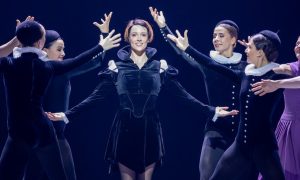
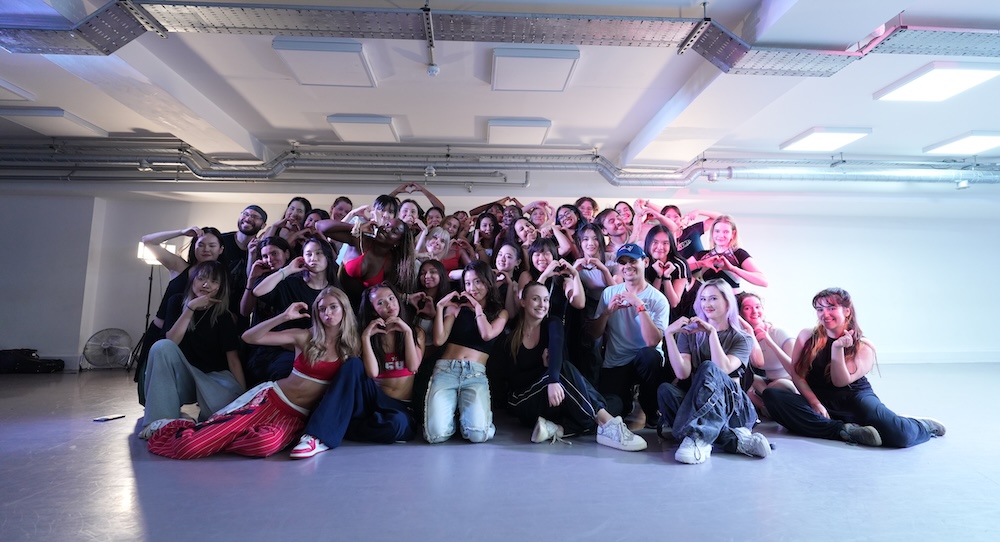
In a world where attention is currency, the highly visual and expressive world of K-pop is capturing the spotlight and inspiring dancers worldwide.
Whether you discovered K-pop through the Netflix smash hit K-Pop Demon Hunters, or got Gnarly with Katseye, or perhaps you are a fan of Blackpink and BTS, K-pop’s mix of precision, musical storytelling, and group formations has made it irresistible to audiences – and a performative concept embraced by choreographers, creative agencies and used in marketing.
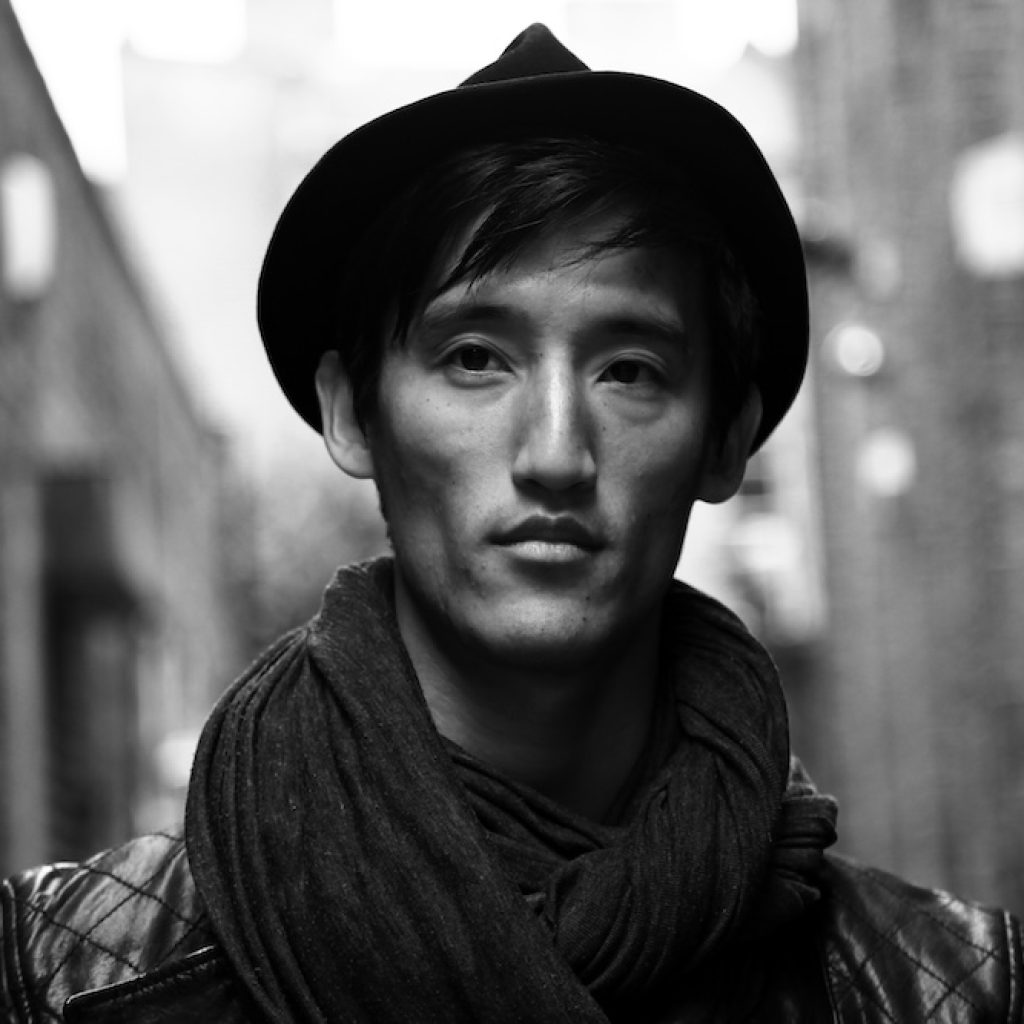
Director and choreographer Supple Nam has seen the term “K-pop” become shorthand in creative briefs. “It’s one of those terms like TikTok or Bollywood – clients say, ‘We want K-pop,’ and what they usually mean is precision, synchronicity, formations, and a certain zing,” he explains.
Born in Australia and based in the UK, Nam connects K-pop’s evolution to Korean culture. “I’m ethnically Korean, and I remember when Korea was trying to catch up with the West (copycatting songs, fashion, choreography). But out of that came a new confidence: Koreans realised we could sound and look like the West, but in our own language and style. That’s when it started to ignite.”
That growth, he says, is tied to a generational work ethic. “Koreans are very hardworking. We were always told to do better, always. Kids go to school, then after-school, then after-after school. That mindset has fed into everything, and now entertainment. K-pop choreography is drilled like crazy, the fashion is pushed, the performances are full-on.”
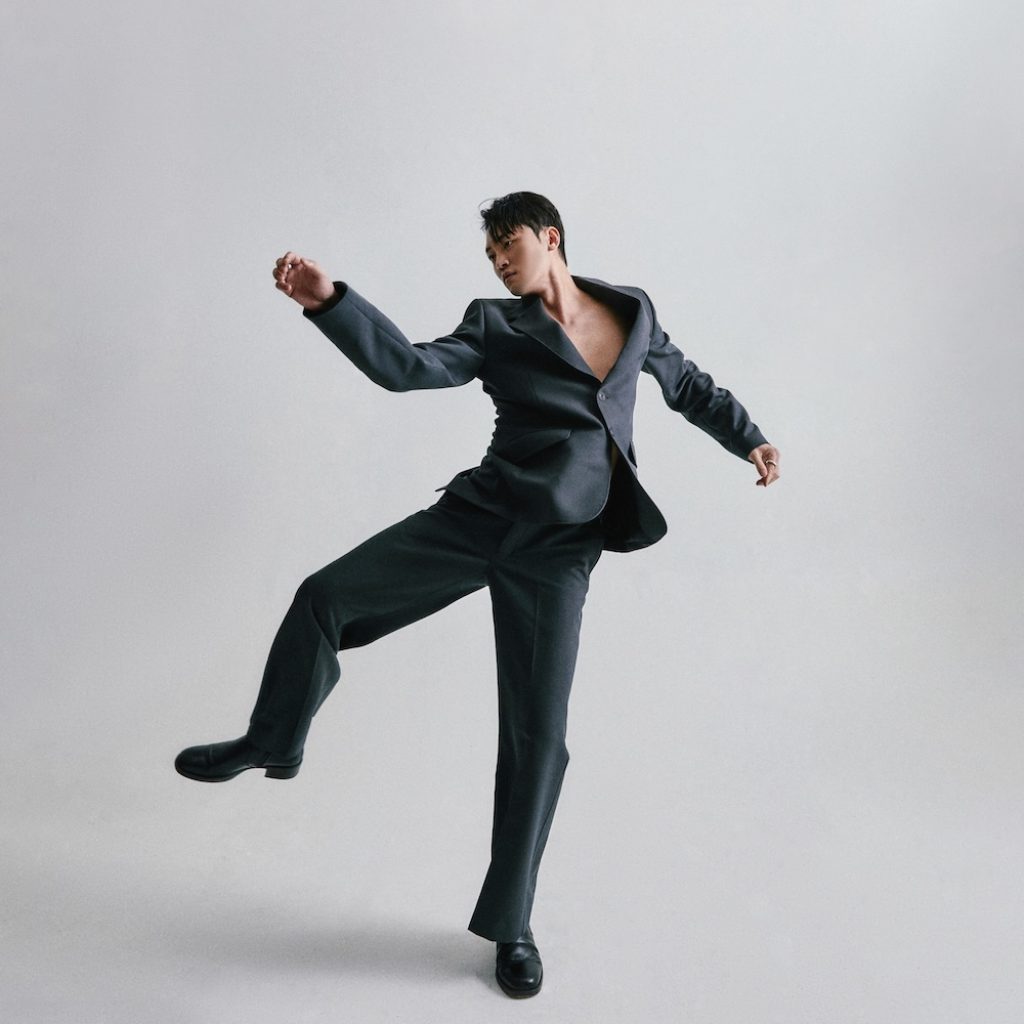
Korean choreographer Jay Kim has taught and judged dance across the world and will soon be putting UK dancers through their paces at Can You Dance? Super Convention, teaching K-pop.
He says, “As a Korean, K-pop represents my identity and pride. While working internationally, I have met many people who love and support Korean culture and K-pop sincerely.”
To Jay, it is clear why it attracts dancers. “K-pop dance is performance-focused, combining dance, singing, expressions, and costumes. It often features synchronised choreography with precise group movements and coordinated positions. Many songs include signature moves in the chorus or key parts that fans can easily imitate. K-pop dances also fuse different styles, such as hip hop, jazz, street, and contemporary dance. The movements often tell a story or reflect the song’s lyrics and concept. It’s better to think of K-pop as more than just music to listen to; it’s visual music you can watch as well.”
The role of a K-pop choreographer, he adds, is to serve the artist: “We create for them, not ourselves.”

West End performer Adam Lyons (Mrs Doubtfire the Musical) has created several viral clips inspired by K-pop songs and dance trends, which have opened new opportunities.
“I was drawn in when the Netflix show Katseye hit our screens and I saw how hard these talented girls trained to make it in the group,” he says.
Lyons is now recognised for his routine to “Men in Finance,” with several of his TikTok videos surpassing one million views. “I find the choreography so fascinating and captivating with the intricacy. They hit hard, they have stamina through the roof and they all have so much charisma that I couldn’t help myself from getting my finance bros together and enjoying their work in my true flashmob fashion in which several viral moments were created!”
He adds, “I am such a K-pop fan, and the catchy, hard-hitting songs such as Gnarly ignite something in me and make me feel so empowered, which makes me want to dance.”
Following a recent performance at the London New Year’s Day Parade, dancing to Black Pink Jump and Katseye’s Gnarly and Gabriela, several K-pop media outlets picked up his ‘Finance Bros’ performances.
On how well it was received, he shares, “People in Korea and on otherside of the world were so happy to see a bunch of London-based ‘Finance Bros’ dancing to some of their favourite K-pop songs.”
He adds that various record labels from Korea are now reaching out to him for more collaborations, and that they really appreciate that he is celebrating K-pop in London.
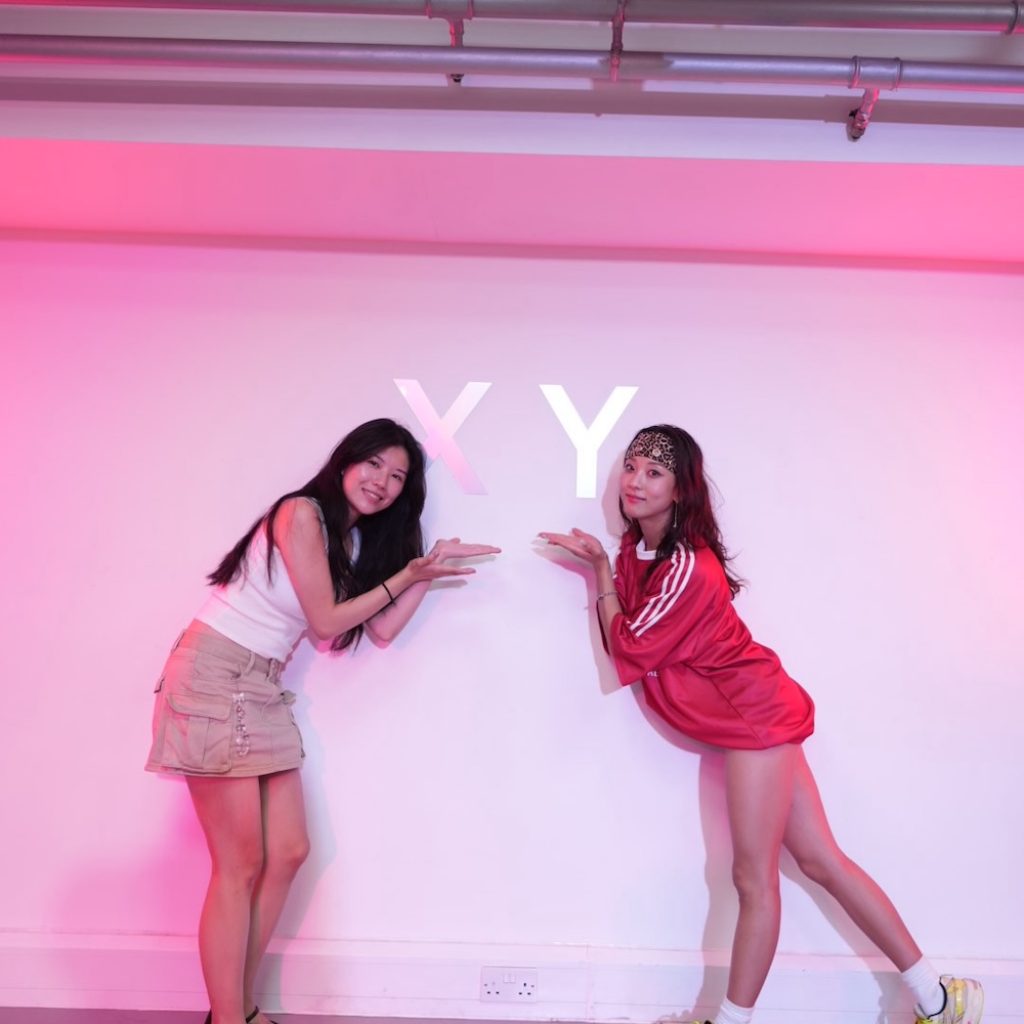
London-based Studio XY, which opened at the end of 2024, makes sure to offer at least two K-pop lessons a week due to demand.
Founded by dancer and choreographer Flora Li, an avid K-pop dance coverist, instructor and Random Play Dance organiser, her choreography is influenced by K-pop, with a focus on character-building and performance dynamics.
Hailing from China and moving to the UK in 2012, she credits her love of K-pop as a way to make friends at school when she was the “new girl”.
Li says, “I had to integrate into the new environment, and I did this through dance. Through dance, I made new friends, and that’s when I noticed that there are some K-pop fans in the UK.”
On why performers love it, simple: “K-pop is all about performance.”
Particularly popular amongst the Gen Z and teengers, Li has run K-pop events, Random Play, where fans and lovers of the music attend an advertised location and when a K-pop song is played over a speaker, attendees rush into the centre to perform.
If you check out Studio XY socials, you will see that Li is really brining K-pop dance to the heart of London, and she feels it is only going to grow in popularity due to the performance elements, fun learning environment and the concise steps taught in a repetitive way, much like a ‘trainee’ on a K-pop programme which means that beginngers can keep up and advanced dancers can really master it.
Li says that she finds K-pop classes are really popular on social media, with students and teachers loving to film the experience and post.
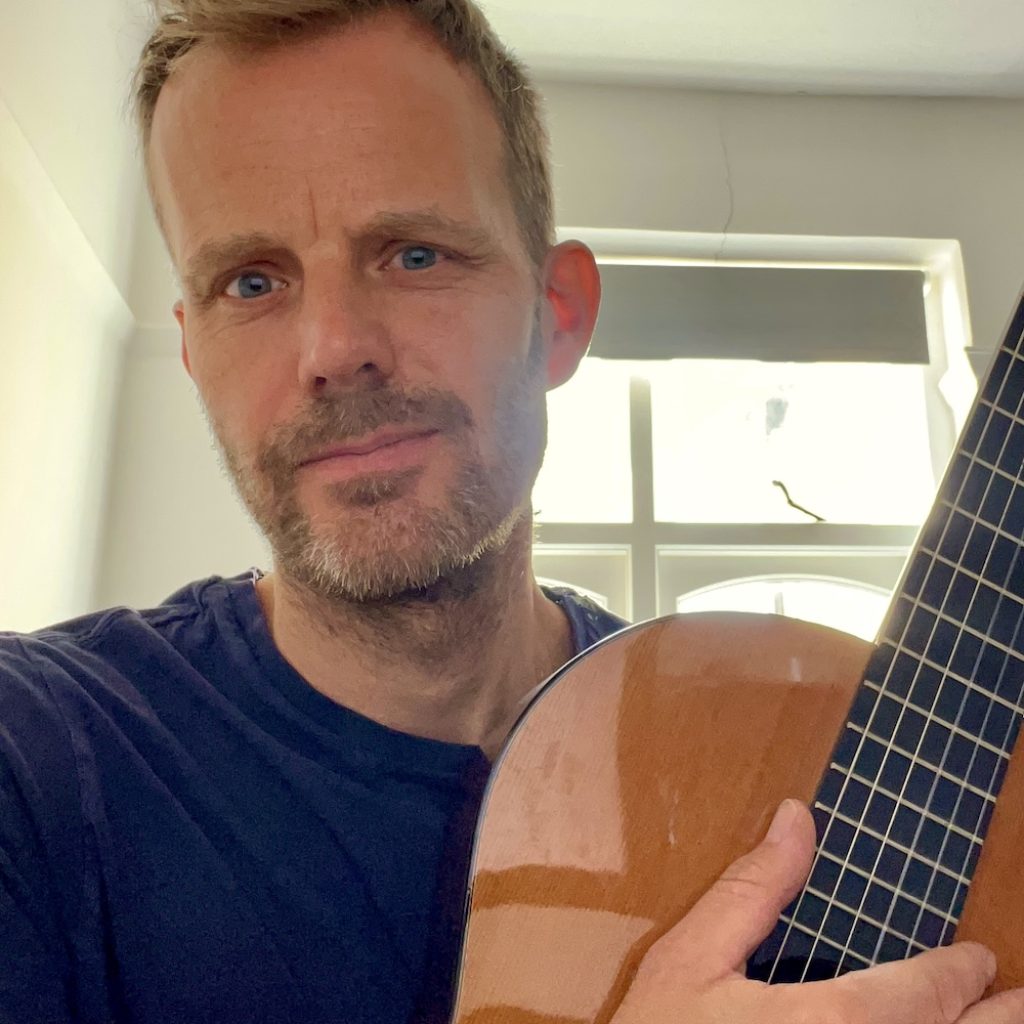
Another creative with a unique perspective on K-pop is songwriter and producer Mads Hauge. He recently worked on the Apple TV+ series Kpopped, producing 16 songs from Western artists with a “K-pop twist.” Kpopped is a pop song battle series where Western music stars reimagine some of their biggest hits and collaborate with K-pop idols for a live performance.
He explains, “The Western artists were impressed by how hard the K-pop artists worked and how well-trained the dancers were. They are just amazing at what they do.”
On K-pop’s appeal, Hauge adds, “It’s exotic, fresh, energetic. It’s been a while since we’ve had strong girl or boy bands in the West, but K-pop keeps producing them. And it inspires kids because songs include dance moves they can learn and copy. My own children watch K-pop and immediately want to dance. The music is melodic and catchy, with English and Korean lyrics. There are many reasons why it works.”
For songwriters, too, K-pop has become an outlet. “In the past, Western writers might send over unused songs, but now we’re writing specifically for K-pop artists. It has become a new creative avenue.”
It’s clear that K-pop, as a style for dancers, musicians, and choreographers outside Korea, is more than just a trend. It has become a training ground that sharpens versatility, performance, and storytelling.
The genre’s demand for stamina and precision, blending hip hop, jazz, street, and contemporary elements with strong musicality, helps dancers level up to become well-rounded performers — extending far beyond the studio.
By Jamie Body of Dance Informa.